

The Durable LDL-Type Tracked Chain Conveyor represents a specialized class of heavy-duty material handling equipment engineered specifically to meet the rigorous demands of the metallurgical and mining industries. This robust conveying system is designed to provide continuous, uniform feeding of bulk materials along either horizontal or inclined routes, serving as the critical link between storage silos or receiving hoppers and downstream processing machinery including crushers, conveyors, horizontal feeders, and other processing equipment. The machine's fundamental purpose is to ensure a steady, regulated flow of materials that maintains pace with the processing capacity of the entire production line, preventing bottlenecks and optimizing overall throughput.
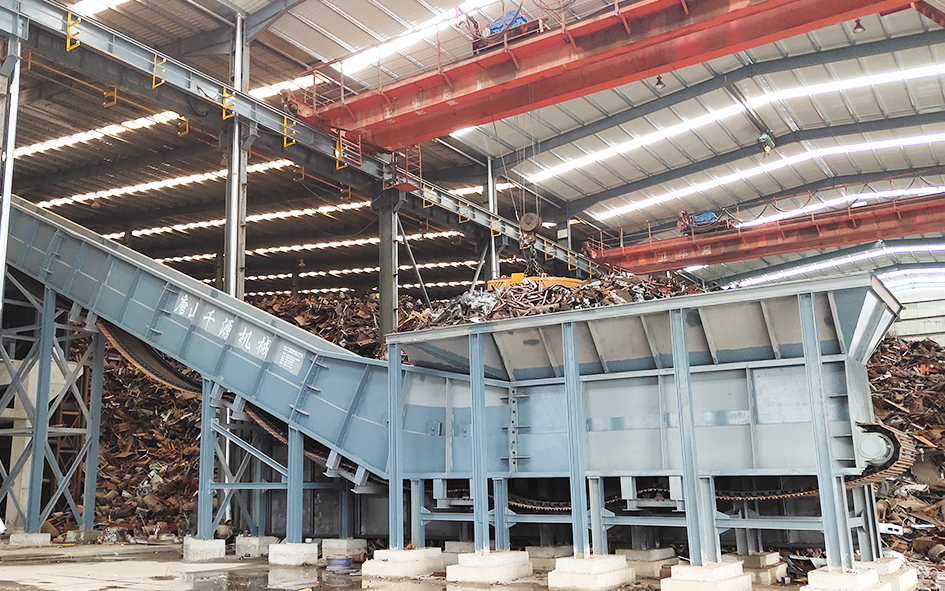
As a high-strength continuous-duty machine, the tracked chain conveyor has earned its place as an indispensable component in mining and metallurgical operations worldwide. Its design philosophy centers on reliability under the most demanding conditions, with the capability to operate effectively in open-pit environments as well as harsh, humid conditions that would challenge lesser equipment. The machine's ability to withstand heavy-load start-up conditions is particularly noteworthy, as this feature ensures that production can resume quickly after unscheduled stops without the risk of equipment damage or failure.
The tracked chain conveyor distinguishes itself from other conveying systems through its unique combination of strength, durability, and operational flexibility. Unlike Belt Conveyors that may struggle with heavy or abrasive materials, or vibrating feeders that can be noisy and maintenance-intensive, the tracked chain conveyor provides a robust solution capable of handling the most challenging materials encountered in metallurgical processing. Its design incorporates features specifically developed to address the unique requirements of feeding lump materials, scrap steel, and other difficult-to-handle products that are common in metal production and recycling operations.
The economic significance of the tracked chain conveyor in metallurgical operations cannot be overstated. In continuous production processes, any interruption in material feed can result in significant downtime and lost production. The tracked chain conveyor's reliability and durability help minimize these interruptions, contributing to the overall efficiency and profitability of the operation. Its ability to operate under heavy loads and in adverse conditions ensures that production can continue even when other equipment might fail, providing a level of operational security that is essential in today's competitive industrial environment.
Chapter Two: Design Features and Technical Characteristics
The Durable LDL-Type Tracked Chain Conveyor incorporates several innovative design features that set it apart from conventional conveying equipment. These features have been developed through extensive experience in the metallurgical industry and are specifically tailored to address the unique challenges of handling heavy, abrasive, and irregular materials.
Fully Enclosed Housing Structure
One of the most significant design features of the tracked chain conveyor is its fully enclosed housing structure. This enclosed design serves multiple purposes, primarily focused on material containment and environmental protection. The housing effectively contains the material being conveyed, preventing spillage and reducing the amount of dust and debris released into the surrounding environment. This is particularly important in metallurgical operations where dust control is a critical concern for both worker safety and regulatory compliance.
The effectiveness of the housing in containing material is directly related to the size and nature of the material being handled. When conveying material chunks that exceed twenty millimeters in size, the housing provides virtually complete containment, with material leakage being practically eliminated. This near-perfect containment is achieved through the careful design of the housing seals and the precise fit between the housing and the moving chain components. The result is a cleaner work environment with reduced material loss and lower cleanup costs.
However, it must be acknowledged that the housing is not completely effective with all material types. When handling fine materials such as machining swarf, loose fragments, or finely crushed materials, a small percentage of material leakage may occur. In these applications, operators can expect approximately half of one percent of the conveyed material to escape the housing. While this represents a relatively small loss, it should be considered when planning for material handling operations involving fine materials, and appropriate measures such as collection trays or periodic cleanup should be implemented.
Patented Track Chain Plate Technology
The track chain plates of the LDL-Type conveyor incorporate patented core technology that represents a significant advancement in chain conveyor design. This proprietary technology has been developed specifically to address the extreme wear conditions encountered in metallurgical material handling applications. The chain plates undergo a specialized heat treatment process that dramatically enhances their strength and wear resistance, extending service life and reducing maintenance requirements.
The heat treatment process is carefully controlled to achieve the optimal balance of hardness and toughness in the chain plates. The surface hardness is increased to resist the abrasive wear caused by the constant contact with heavy, sharp-edged materials, while the core of the chain plate retains sufficient toughness to withstand impact loads and prevent brittle fracture. This combination of properties is essential for reliable operation in the demanding conditions of metallurgical material handling.
The enhanced strength of the track chain plates provides several operational benefits. Longer service life means less frequent replacement, reducing maintenance downtime and lowering overall operating costs. The improved wear resistance maintains the proper fit between chain components for longer periods, ensuring smooth operation and reducing the risk of chain failure. Additionally, the reduced need for chain replacement translates to lower parts inventory requirements and simplified maintenance planning.
Redesigned Return Roller System
A significant design improvement incorporated in the LDL-Type tracked chain conveyor is the redesign of the return roller system. Traditional conveyors of this type often employ three sets of small Rollers in the return section, which can be sources of noise, vibration, and operational difficulties. The LDL-Type conveyor replaces this arrangement with a single set of large rollers, providing several distinct advantages.
The use of large rollers in the return section significantly reduces operational noise levels. This is an important consideration in metallurgical facilities where noise exposure is a recognized occupational hazard. The reduction in noise contributes to a safer and more comfortable working environment for operators and other personnel working in the vicinity of the conveyor. Lower noise levels also facilitate better communication and reduce the risk of workplace accidents caused by misunderstood signals or warnings.
The large roller design also provides improved belt tracking, making it easier to correct any misalignment that may occur during operation. Misalignment of the return chain can cause uneven wear, increased power consumption, and potential damage to the chain and housing components. The improved tracking provided by the large roller system helps maintain proper alignment, reducing wear and extending the service life of the conveyor components.
Innovative Tensioning System
The LDL-Type tracked chain conveyor employs a unique tensioning system that departs from the traditional approach of using a tail auger for tension adjustment. Instead, the system utilizes the natural sagging of the return chain to provide gravity-based tensioning. This innovative approach offers several operational benefits and simplifies the maintenance requirements of the conveyor.
The gravity-based tensioning system maintains proper chain tension automatically, compensating for normal chain wear and elongation without requiring manual adjustment. This ensures that the upper track chain plates operate smoothly and consistently, maintaining proper engagement with the drive components and reducing the risk of chain skip or derailment. The self-adjusting nature of the system also reduces the maintenance burden on operating personnel, eliminating the need for frequent tension checks and adjustments.
The smooth operation of the upper track chain plates is essential for the reliable performance of the conveyor. Proper tension ensures that the chain plates remain in correct alignment and engagement, distributing the load evenly across the conveying surface and preventing localized wear or damage. The gravity-based tensioning system helps achieve this optimal condition with minimal operator intervention, contributing to the overall reliability and efficiency of the conveyor.
Chapter Three: Application Scenarios and Operational Environments
The Durable LDL-Type Tracked Chain Conveyor finds application across a diverse range of metallurgical and mining operations, each presenting unique material handling challenges that the conveyor is specifically designed to address.
Ferroalloy Processing Operations
In ferroalloy production facilities, the tracked chain conveyor plays a crucial role in handling the various raw materials and intermediate products that are essential to the manufacturing process. The conveyor is particularly well-suited to handling lump ferroalloys, which are characterized by their high density, irregular shape, and abrasive nature. The robust construction of the conveyor, particularly the heat-treated track chain plates, provides the durability needed to withstand the harsh effects of handling these challenging materials.
The ability of the conveyor to handle lump ferroalloys efficiently is essential for maintaining production rates in ferroalloy plants. These facilities typically operate on a continuous basis, with any interruption in material feed potentially causing significant production losses. The tracked chain conveyor's reliable operation and heavy-load start-up capability ensure that production can continue even under the most demanding conditions.
The fully enclosed housing of the conveyor is particularly valuable in ferroalloy processing operations, where dust control is a critical concern. Ferroalloy dust can be hazardous to worker health and can cause environmental compliance issues if not properly contained. The near-perfect material containment provided by the enclosed housing helps maintain a safe and compliant working environment while reducing material losses.
Lightly Crushed Material Handling
The handling of lightly crushed materials represents another significant application area for the LDL-Type tracked chain conveyor. These materials, which may include crushed ores, recycled aggregates, and other processed materials, require careful handling to maintain their size and quality characteristics. The gentle conveying action of the tracked chain conveyor helps preserve the integrity of these materials while providing the continuous, uniform feed required by downstream processing equipment.
The conveyor's ability to handle multiple loading points simultaneously is particularly valuable in applications involving lightly crushed materials. This feature allows material from several sources to be combined and fed to processing equipment in a controlled and consistent manner. The resulting smooth feed flow helps optimize the performance of crushers and other processing equipment, maximizing throughput and reducing equipment wear.
The automatic tensioning system of the conveyor ensures consistent performance even when handling varying material types and loads. This is particularly important in lightly crushed material applications where the material characteristics may change based on source or processing conditions. The self-adjusting nature of the tensioning system helps maintain proper chain engagement regardless of the material being handled.
Scrap Steel and Steel Lump Handling
The tracked chain conveyor is specifically designed to handle the demanding requirements of scrap steel and steel lump applications. These materials, which may include general scrap steel and large steel lumps, present significant challenges for conventional conveying equipment due to their weight, irregular shape, and abrasive characteristics. The robust construction and specialized design features of the LDL-Type conveyor make it uniquely suited to these demanding applications.
In scrap processing operations, the conveyor is typically used to feed shredders, shears, and other processing equipment with a continuous stream of material. The ability to handle heavy loads and withstand the impact of large, irregular steel pieces is essential for reliable operation in these applications. The heat-treated chain plates provide the wear resistance needed to withstand the abrasive effects of steel scrap, while the heavy-duty housing protects the conveyor components from damage.
The use of the tracked chain conveyor in scrap applications also helps improve the efficiency and safety of the operation. By providing a controlled and consistent feed of material to processing equipment, the conveyor helps maximize the throughput of the shredder or shear while reducing the risk of equipment damage from overloading or uneven feeding. The enclosed housing reduces the risk of flying debris and helps contain the noise and dust associated with scrap handling operations.
Mining and Quarrying Applications
The mining and quarrying industry presents some of the most demanding material handling conditions encountered anywhere, and the LDL-Type tracked chain conveyor is well-suited to meeting these challenges. In open-pit mining operations, the conveyor may be used to feed primary crushers with material from storage bins or receiving hoppers. The ability to operate reliably in harsh outdoor conditions, including exposure to weather extremes and abrasive dust, is essential for these applications.
The heavy-load start-up capability of the tracked chain conveyor is particularly valuable in mining applications, where production interruptions can have significant economic consequences. The conveyor's ability to start up under full load means that operations can be resumed quickly after unscheduled stops, minimizing production losses. This capability also provides operational flexibility, allowing the conveyor to be started and stopped as needed to accommodate changing production requirements.
The conveyor's performance in inclined applications is another valuable feature for mining and quarrying operations. The ability to convey material along inclined routes allows for more flexible plant layouts and can reduce the need for additional material handling equipment. The robust construction of the conveyor ensures reliable operation even when handling heavy, abrasive materials on inclined sections.
Foundry and Casting Operations
Foundries and casting operations represent another important application area for the LDL-Type tracked chain conveyor. In these facilities, the conveyor may be used to handle sand, castings, and other materials as part of the casting and finishing process. The ability to handle hot materials is often a requirement in foundry applications, and the design of the conveyor, particularly the heat-treated chain plates, provides the necessary heat resistance for these demanding conditions.
The enclosed housing of the conveyor is particularly valuable in foundry applications, where dust and fume control are important considerations. The conveyor helps contain the materials being handled, reducing the amount of dust and debris released into the foundry environment. This contributes to improved worker safety and helps maintain a cleaner, more efficient foundry operation.
The conveyor's ability to handle lumpy and irregular materials makes it well-suited to handling castings and foundry returns. These materials often have irregular shapes and sizes that can be difficult to handle with conventional conveying equipment. The tracked chain conveyor's robust design and positive material engagement provide reliable handling even with difficult-to-convey materials.
Steel Mill and Smelting Operations
In steel mills and smelting operations, the tracked chain conveyor is used to feed various raw materials including iron ore, fluxes, and scrap metal into furnaces and other processing equipment. The high temperatures and heavy loads common in these environments demand equipment that can withstand extreme conditions while maintaining reliable operation. The robust construction and durable components of the LDL-Type conveyor make it well-suited to these demanding applications.
The conveyor's ability to handle multiple material types and sizes is particularly valuable in steel mill operations, where the material feed may need to be adjusted frequently to accommodate changing production requirements. The smooth, controlled feeding provided by the conveyor helps maintain consistent furnace operation and product quality.
The enclosed housing of the conveyor also provides important environmental benefits in steel mill operations, helping to contain the dust and emissions that can be generated during material handling. This contributes to a safer and more compliant working environment while also reducing material losses.
Chapter Four: Operating Procedures and Usage Guidelines
Proper operation of the Durable LDL-Type Tracked Chain Conveyor is essential for achieving optimal performance and maximizing equipment service life. Following established operating procedures helps ensure reliable operation and minimizes the risk of equipment damage or operator injury.
Pre-Operational Inspection
Before starting the tracked chain conveyor, a thorough inspection of the equipment and its surroundings should be performed. This inspection should include a visual check of the conveyor housing and components for signs of damage, excessive wear, or material accumulation that could interfere with operation. The condition of the chain plates should be examined, paying particular attention to wear patterns and any signs of cracking or deformation that could indicate impending failure.
The drive system should be inspected for proper lubrication and the condition of drive chains, sprockets, and bearings. Any unusual noise or vibration during manual rotation or slow-speed operation should be investigated and addressed before full-speed operation is attempted. The return chain tension should be visually inspected to ensure proper sag and alignment, with the gravity-based tensioning system providing the correct tension without manual intervention.
The area around the conveyor should be cleared of any obstructions or debris that could interfere with operation or create safety hazards. Personnel should be alerted to the planned startup and positioned safely away from the conveyor. Warning signs or barriers should be used as needed to prevent unauthorized access to the conveyor during operation.
Startup Procedure
Starting the tracked chain conveyor should follow a standardized procedure that ensures safe and reliable operation. The sequence typically begins with the activation of any auxiliary systems such as dust collection or lubrication, followed by a brief warning signal to alert personnel to the impending startup. The conveyor drive is then engaged at low speed, allowing the conveyor to gradually accelerate to its normal operating speed.
During the initial startup period, the operator should closely monitor the conveyor for any signs of abnormal operation, including unusual noise, vibration, or irregular chain movement. The material feed should be started gradually, allowing the conveyor to establish a steady flow before the full material load is applied. This gradual loading reduces the stress on the conveyor components and minimizes the risk of jams or other operational problems.
If any abnormal conditions are observed during startup, the conveyor should be stopped immediately and the cause investigated. Attempting to operate the conveyor with visible problems can result in serious equipment damage and may create safety hazards for personnel.
Normal Operation
During normal operation, the operator should monitor the conveyor's performance continuously, paying attention to the material flow rate, chain movement, and any unusual noises or vibrations. The feed rate should be adjusted based on the type of material being conveyed and the requirements of the downstream processing equipment. On-site operators should adjust the feeding speed according to the material type being handled, ensuring adequate raw material throughput while maintaining optimal equipment performance.
The material being fed to the conveyor should be monitored for consistency and any changes that might affect conveying performance. Large chunks of material, foreign objects, or material with unusual moisture content can all cause operational problems and should be addressed before they reach the conveyor. If material characteristics change significantly, the feed rate or other operating parameters may need to be adjusted to maintain optimal performance.
The temperature of the conveyor components, particularly the drive system and chain bearings, should be monitored periodically to ensure they are operating within normal limits. Excessive temperature can indicate lubrication problems, excessive load, or other issues that require attention. Regular temperature monitoring can help identify developing problems before they lead to equipment failure.
Material Handling Considerations
The type of material being conveyed has a significant impact on conveyor performance and operating parameters. When handling lump ferroalloys or steel lumps, the feed rate should be adjusted to ensure adequate material flow without overloading the conveyor. These heavy materials require careful management to maintain consistent performance and prevent excessive wear on the conveyor components.
For lightly crushed materials, the feed rate should be matched to the processing capacity of the downstream equipment. The conveyor's ability to feed from multiple loading points should be utilized to maintain a consistent material flow, avoiding surges or interruptions that could affect downstream processing. The smooth feed flow provided by the conveyor helps maintain the performance of crushers and other processing equipment.
When handling fine materials such as machining swarf or finely crushed materials, special attention should be paid to material leakage from the housing. While leakage is limited to approximately half of one percent, this material loss should be managed through periodic cleanup and, if necessary, the installation of collection trays or other containment measures. The leakage should be monitored to ensure it remains within acceptable limits and to identify any developing problems with the housing seals.
Shutdown Procedure
Shutting down the tracked chain conveyor should be performed in a controlled manner to prevent material buildup and minimize stress on the equipment. The procedure typically begins with stopping the material feed to the conveyor, allowing the conveyor to clear any remaining material before the drive system is disengaged. This clearing period is particularly important when handling materials that may adhere to the conveyor surfaces or that could cause jams during the next startup.
After the material has been cleared, the conveyor drive should be disengaged and allowed to coast to a stop. If the conveyor is equipped with a braking system, the brake should be applied only after the conveyor has come to a near stop to prevent damage to the chain or drive components. The conveyor should be inspected after shutdown to identify any material accumulation or other conditions that should be addressed before the next startup.
If the conveyor is to be shut down for an extended period, additional measures may be necessary, such as cleaning the conveyor components and applying protective coatings to prevent corrosion. The conveyor should be protected from the elements if it is exposed to weather, and periodic inspections should be performed to ensure that the equipment remains in good condition during the shutdown period.
Chapter Five: Common Troubleshooting Issues
Despite the robust design and reliable operation of the Durable LDL-Type Tracked Chain Conveyor, various problems may occasionally occur during operation. Understanding the common issues and their potential causes is essential for prompt diagnosis and resolution, minimizing downtime and preventing damage.
Chain Wear and Elongation
The track chain is subject to gradual wear during normal operation, with the rate of wear depending on the material being handled and the operating conditions. Abrasive materials accelerate chain wear, while impact loads can cause localized deformation or cracking of chain components. Regular inspection of the chain for wear is essential for maintaining reliable operation and preventing unexpected failure.
Chain elongation occurs as the chain pins and bushings wear, resulting in increased pitch length and potential problems with engagement with the drive sprockets. The gravity-based tensioning system of the LDL-Type conveyor compensates for normal chain elongation automatically, but excessive wear may require chain adjustment or replacement. If the chain becomes too elongated, it may begin to skip over the drive sprockets, causing jerky operation and potential damage.
Signs of chain wear include increased noise during operation, visible elongation of the chain, and irregular movement of the chain plates. If these signs are observed, the chain should be inspected carefully and replaced if the wear exceeds acceptable limits. Replacing the chain before it fails completely reduces the risk of secondary damage to the conveyor housing and drive components.
Material Jams and Flow Blockages
Material jams can occur when oversized pieces, foreign objects, or excessive material buildup blocks the flow of material through the conveyor. These jams can cause the conveyor to stall, potentially damaging the drive system or chain components. The design of the LDL-Type conveyor, particularly the large return rollers and the self-tensioning chain, helps reduce the risk of jams but cannot eliminate it entirely.
If a jam occurs, the conveyor should be stopped immediately and the obstruction removed before the conveyor is restarted. Attempting to clear a jam while the conveyor is operating can be dangerous and should never be attempted. The cause of the jam should be investigated to prevent recurrence, which may involve adjusting the feed rate, modifying the material screening process, or cleaning the conveyor housing.
Preventive measures such as regular cleaning of the conveyor housing and periodic inspection for potential jam causes can help reduce the frequency of material jams. Maintaining a consistent material size and avoiding the introduction of foreign objects into the material stream are also important preventive measures.
Excessive Material Leakage
While the enclosed housing of the LDL-Type conveyor provides excellent material containment, excessive leakage may occur under certain conditions. The most common cause of excessive leakage is damage to the housing seals or wear of the housing components that allows material to escape. The use of fine materials, particularly machining swarf or finely crushed materials, can also increase leakage rates beyond the normal expected level.
If excessive leakage is observed, the housing should be inspected for damage or wear that could be allowing material to escape. Seals should be checked for proper fit and replaced if damaged. The condition of the chain plates should also be inspected, as worn or damaged plates may allow material to escape through gaps between the plate sections.
In some cases, adjusting the feed rate or changing the material handling procedure may be necessary to reduce leakage. For example, reducing the speed of the conveyor or improving the material's flow characteristics before it reaches the conveyor can help minimize leakage. If leakage remains excessive despite these measures, the installation of additional containment measures such as collection trays may be warranted.
Drive System Problems
The drive system of the tracked chain conveyor is critical to its reliable operation, and problems with the drive components can cause significant operational issues. Common drive system problems include motor overheating, coupling failure, and gearbox wear. These problems can result from overloading, inadequate lubrication, or normal wear and tear over time.
Motor overheating may be caused by excessive load, inadequate ventilation, or electrical problems. If the motor temperature exceeds normal limits, the conveyor should be stopped and the cause investigated. Overloading can often be addressed by reducing the feed rate or improving the material characteristics to reduce the load on the conveyor.
Gearbox problems typically manifest as increased noise or vibration during operation. If unusual gearbox noise is observed, the oil level and condition should be checked and the gearbox inspected for signs of wear or damage. Regular lubrication and oil analysis can help identify developing gearbox problems before they cause failure.
Return Chain and Roller Issues
The return chain and roller system of the LDL-Type conveyor is designed for reliable operation with minimal maintenance, but problems can still occur. The large return rollers may develop flat spots or bearing problems over time, while the return chain may experience wear or misalignment.
Uneven wear on the return rollers can cause vibration or noise during operation. If uneven wear is observed, the rollers should be replaced, and the cause of the uneven wear should be investigated. Misalignment of the return chain can cause uneven loading on the rollers and accelerate wear, and should be corrected by adjusting the chain guide or roller alignment.
The gravity-based tensioning system relies on proper chain sag to maintain correct tension. If the chain becomes too tight or too loose, the tensioning system should be inspected to ensure it is functioning correctly. Excessive chain sag can cause the chain to derail or skip, while insufficient sag can cause excessive load on the drive system.
Housing and Structural Problems
The housing of the tracked chain conveyor is subject to wear and potential damage from the materials being conveyed. Abrasive materials can wear the housing surfaces, particularly at points where the material flow changes direction. Impact from large, heavy materials can cause denting or distortion of the housing panels.
If the housing becomes damaged, it should be repaired or replaced as needed to maintain proper material containment and equipment protection. Minor damage can often be repaired by welding or patching, while more extensive damage may require housing panel replacement. The housing should be inspected regularly for signs of wear or damage, particularly in areas where material flow is concentrated.
Corrosion can also affect the housing, particularly if the conveyor is used in humid or corrosive environments. Proper coating and corrosion protection can help minimize this problem, but regular inspection and maintenance are still required to ensure the housing remains in good condition. If corrosion is observed, the affected areas should be cleaned and repainted or otherwise protected to prevent further deterioration.
This website uses cookies to ensure you get the best experience on our website.
 Español
 Pусский
 العربية
 Tiếng Việt



 WhatsApp
 Phone: