

A Material Handling Loader is a specialized piece of heavy mobile equipment engineered for the primary purpose of transferring, loading, and moving bulk materials across various industrial and commercial environments. These machines serve as the fundamental link between material stockpiles and processing equipment, between excavation faces and haulage vehicles, and between receiving points and storage facilities. The loader is distinguished from other material handling equipment by its combination of mobility, versatility, and lifting capability, making it an indispensable asset in operations ranging from small-scale agricultural enterprises to massive mining complexes.
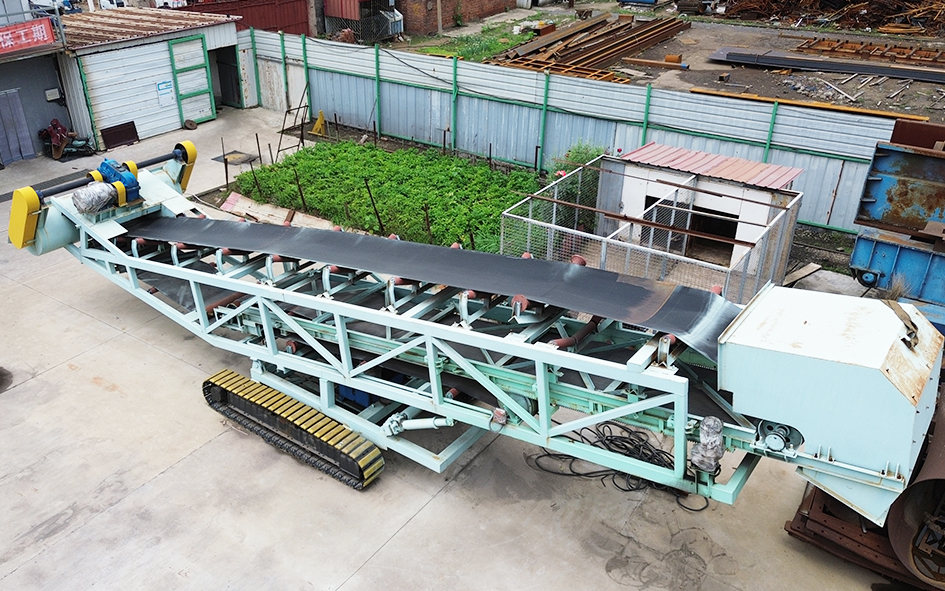
The fundamental design of a material handling loader revolves around a front-mounted attachment system, most commonly a bucket, which is manipulated by a hydraulic mechanism to scoop material from ground level, elevate it, and discharge it into a receiving vessel or location. This basic operational cycle has remained consistent since the earliest iterations of the machine, though the underlying technology has advanced dramatically. Modern loaders incorporate sophisticated electronic control systems, variable displacement hydraulic pumps, and ergonomic operator environments that significantly enhance productivity while reducing operator fatigue and fuel consumption.
What sets the material handling loader apart from other loading equipment is its exceptional mobility. Unlike stationary conveyors or overhead cranes, loaders can reposition themselves throughout a worksite to address changing material flow requirements. This adaptability makes them particularly valuable in environments where material sources and destinations are dynamic, where multiple material types must be handled, or where space constraints make fixed infrastructure impractical. The loader's rubber tires or continuous tracks allow it to traverse varied terrain, from paved warehouse floors to soft, uneven quarry floors, providing a level of operational flexibility that is difficult to achieve with any other single piece of equipment.
The economic significance of material handling loaders cannot be overstated. In virtually every industry that deals with bulk materials, these machines represent a critical investment that directly impacts throughput, operating costs, and overall productivity. A properly sized and well-maintained loader can dramatically reduce the time and labor required to move materials, while an improperly selected or poorly operated machine can become a bottleneck that constrains an entire operation. Understanding the capabilities, limitations, and proper application of material handling loaders is therefore essential for anyone involved in the management of bulk material operations.
Chapter Two: Core Functions and Operational Capabilities
The material handling loader is designed to execute a comprehensive range of functions that extend far beyond simple loading. Its versatility allows it to contribute to multiple aspects of material management, making it one of the most widely utilized pieces of equipment in industrial operations.
Primary Loading Function
The most fundamental and frequently performed function of the loader is the loading of bulk materials into haulage vehicles or processing equipment. This operation involves approaching the material pile with the bucket lowered to ground level, driving into the pile with sufficient momentum and hydraulic force to fill the bucket, curling the bucket to secure the load, lifting the loaded bucket to the appropriate height, and finally dumping the material into the receiving vessel. The efficiency of this loading cycle is the primary measure of a loader's productivity, with the total cycle time from the start of one loading action to the start of the next directly determining the hourly throughput.
Several factors influence loading efficiency. The bucket's design, including its capacity, geometry, and cutting edge configuration, determines how effectively it penetrates the material pile and retains the load during transport. The hydraulic system's speed and power affect both the rate at which the bucket can be raised and dumped and the machine's ability to crowd into dense material piles. The operator's skill in coordinating the various hydraulic and drivetrain functions significantly impacts cycle times, with experienced operators able to achieve shorter and more consistent cycles than less practiced counterparts.
Material Transfer and Rehandling
Beyond loading vehicles, loaders are frequently employed for transferring materials across a worksite. This may involve moving material from a primary stockpile to a secondary storage area, transporting processed material to a shipping point, or repositioning materials to facilitate a more efficient workflow. The loader's mobility makes it an effective short-haul transport solution, eliminating the need for additional equipment such as forklifts or small dump trucks in many applications.
Rehandling is another common application, where materials are moved from one location to another to accommodate changing operational requirements. This might include consolidating multiple small stockpiles into a single larger pile, spreading materials across a storage area, or retrieving materials from a remote storage location and bringing them to a central processing point. The loader's ability to pick up, transport, and deposit materials with precision makes it well-suited to these rehandling tasks.
Excavation and Site Preparation
While purpose-built excavators are the preferred equipment for major excavation projects, many loader types can be effectively employed for lighter digging and site preparation tasks. Wheel loaders and track loaders, when equipped with appropriate buckets, can excavate soil, soft rock, and other materials to a limited depth, making them useful for trenching, foundation preparation, and land leveling. The combination of digging and loading capabilities in a single machine is particularly valuable on smaller projects or in operations where space constraints prevent the use of multiple equipment types.
Grading and leveling operations are another area where loaders demonstrate their versatility. By utilizing the bucket in a floating position, operators can smooth and level surfaces for road construction, building pads, and other applications requiring a prepared surface. Specialized attachments such as leveling bars or grading buckets further enhance the loader's capability in this area, allowing for precise control over the finished surface elevation.
Specialized Material Handling Applications
The adaptability of material handling loaders extends to a wide range of specialized applications that go beyond conventional bulk material handling. In the waste management industry, loaders are used to handle municipal solid waste, construction debris, and recyclable materials, often operating in harsh and abrasive environments that demand robust construction and careful maintenance. The loader's ability to push, scoop, and transport irregularly shaped and potentially hazardous materials makes it an essential tool in waste processing facilities.
In agricultural operations, loaders handle a diverse array of materials including grain, silage, hay, manure, and fertilizer. The agricultural loader must be capable of operating in muddy and dusty conditions while handling materials with widely varying densities and flow characteristics. Attachments specifically designed for agricultural use, such as bale spears, grapple forks, and manure buckets, extend the loader's functionality to meet the unique demands of farm operations.
Port and terminal operations represent another significant application area for material handling loaders. In these environments, loaders handle bulk cargoes such as grain, minerals, and coal, loading and unloading ships, rail cars, and trucks. The high throughput requirements of port operations demand loaders with large bucket capacities, rapid cycle times, and exceptional reliability. The corrosive marine environment also requires specialized corrosion protection and regular maintenance to ensure continued operation.
Chapter Three: Classification and Types of Material Handling Loaders
Material handling loaders are manufactured in a wide variety of configurations, each optimized for specific operating conditions and applications. The selection of the appropriate type is critical to achieving optimal productivity, efficiency, and return on investment.
Wheel Loaders
Wheel loaders represent the most common and universally recognized type of material handling loader. These machines utilize rubber tires for mobility, providing several significant advantages in terms of travel speed, maneuverability, and operator comfort. The pneumatic tires absorb road irregularities and provide a smooth ride, reducing operator fatigue during extended operating periods. The high travel speeds achievable on firm surfaces make wheel loaders ideal for applications that require frequent relocation between work areas or long travel distances between loading and dumping points.
The versatility of wheel loaders is a key factor in their widespread adoption. They are available in an extensive range of sizes, from compact machines with bucket capacities of less than one cubic meter suitable for small-scale operations, to massive units with bucket capacities exceeding fifteen cubic meters for high-production mining and quarrying applications. This size range, combined with the availability of numerous attachment options, makes wheel loaders applicable to virtually any material handling task.
Wheel loaders exhibit excellent performance on improved surfaces such as paved areas, gravel roads, and hard-packed earth. However, their performance degrades significantly on soft or uneven ground where tire flotation becomes inadequate. In such conditions, wheel loaders may become stuck or experience reduced traction, limiting their effectiveness. The application of tire chains or specialized tire designs can partially mitigate these limitations but does not eliminate them entirely.
Track Loaders
Track loaders, also known as crawler loaders, replace the rubber tires of a wheel loader with a continuous track system. This design provides significantly greater traction and flotation, making track loaders the preferred choice for working on soft, uneven, or unstable ground conditions. The larger ground contact area of the tracks distributes the machine's weight over a greater surface area, reducing ground pressure and preventing the machine from sinking into soft materials.
The superior traction of track loaders is particularly valuable in slope operations, where the tracks provide greater grip and stability than rubber tires. This makes track loaders well-suited to applications in mining, quarrying, and construction on unimproved sites where slopes and soft ground are common. The tracks also provide better stability during loading operations, reducing the risk of tipping when operating with a full bucket on uneven terrain.
The trade-off for this enhanced traction and stability is reduced travel speed and increased operating costs. Track loaders are typically slower than wheel loaders on firm surfaces, and the track systems themselves require more frequent maintenance and eventual replacement. The undercarriage components, including track shoes, chains, Rollers, and sprockets, are subject to significant wear and require regular inspection and replacement. Despite these higher operating costs, track loaders remain the preferred choice for applications where ground conditions preclude the use of wheel loaders.
Skid-Steer Loaders
Skid-steer loaders are compact, highly maneuverable machines distinguished by their unique steering system. These loaders have rigid axles on each side that are driven independently, allowing the machine to turn within its own footprint by skidding the wheels on one side relative to the other. This exceptional maneuverability makes skid-steer loaders ideal for confined spaces such as warehouses, urban construction sites, and agricultural buildings where larger machines cannot operate effectively.
The compact size of skid-steer loaders belies their substantial power and lifting capability. Despite their small footprint, these machines are capable of handling significant loads and can be equipped with a wide variety of attachments. The quick-attach system common on skid-steer loaders enables rapid changes between attachments, allowing a single machine to perform tasks as diverse as material loading, pallet handling, augering, sweeping, and land clearing.
Skid-steer loaders are particularly popular in landscaping, small-scale construction, and agricultural applications where their maneuverability and versatility outweigh their limitations in capacity and reach. The relatively low initial cost compared to larger loader types also makes them attractive for operations with limited capital budgets or intermittent material handling requirements.
Backhoe Loaders
Backhoe loaders combine a front-mounted loader bucket with a rear-mounted excavator arm, creating a machine capable of both material loading and excavation. This design makes backhoe loaders exceptionally versatile, as they can perform both digging and loading tasks without requiring two separate machines. The front loader bucket functions similarly to a standard wheel loader bucket, while the rear backhoe attachment provides excavation capabilities for trenching, hole digging, and similar tasks.
The backhoe arm on these machines is typically capable of rotating up to one hundred eighty degrees, allowing for digging in areas that are difficult to access with the machine's front end. This articulation provides excellent flexibility in positioning the excavating bucket relative to the machine, enabling precise digging in confined spaces or adjacent to obstacles. The backhoe attachment can also be equipped with various buckets and tools for different digging and demolition applications.
Backhoe loaders are commonly used in construction, utility installation, and municipal projects where a single machine must perform multiple tasks. They bridge the gap between material handling and excavation, offering a cost-effective solution for operations that require both capabilities but have limited space or budgets. While they may not match the efficiency of a dedicated loader or excavator in their respective primary functions, their versatility makes them an invaluable asset on many job sites.
Chapter Four: Applications Across Industries
The application of material handling loaders spans virtually every industry that deals with bulk materials. Each industry presents unique challenges and requirements that influence the selection and operation of the appropriate loader type.
Construction and Infrastructure
In the construction industry, loaders are indispensable for handling a vast array of materials including earth, gravel, sand, crushed stone, concrete, and asphalt. They are used for site preparation, moving excavated material, loading aggregate into concrete plants, and feeding construction materials into processing equipment. The versatility and mobility of loaders make them ideal for the dynamic and changing conditions typical of construction sites, where material sources and destinations can change frequently.
Infrastructure development projects, such as road and highway construction, also rely heavily on loaders. These machines are used to move and load bulk materials like asphalt, aggregate base, and backfill, as well as for grading and site leveling tasks. The robust nature of loaders makes them suitable for the demanding conditions encountered in infrastructure work, where they must operate in all weather conditions and on rough, unimproved surfaces.
The application of loaders in construction extends to demolition and site clearing operations, where they handle demolished materials and clear debris from building sites. Specialized attachments such as grapple buckets and demolition shears extend the loader's capabilities in these applications, allowing it to handle irregularly shaped and potentially dangerous materials safely and efficiently.
Mining and Quarrying
Mining and quarrying operations represent some of the most demanding applications for material handling loaders. These machines are deployed in various roles, including loading blasted rock into haul trucks, feeding ore into primary crushers, managing stockpiles of processed materials, and clearing debris from working faces. The machines used in this sector are typically large, heavy-duty models built to withstand the extreme conditions and high throughput requirements of mining and quarrying.
In these environments, loader productivity is paramount. Cycle times directly impact the overall efficiency of the mining operation, making factors such as bucket capacity, hydraulic speed, and machine availability critical considerations. The payload management systems common on mining loaders provide real-time feedback on bucket weights, enabling operators to achieve consistent and accurate loading while avoiding overloading of haul trucks.
The harsh conditions of mining and quarrying operations demand robust construction and diligent maintenance. Loaders in these applications work in abrasive dust, extreme temperatures, and rough terrain, requiring frequent inspections and regular replacement of wear items such as cutting edges, bucket liners, and hydraulic components. The development of more fuel-efficient and technologically advanced loaders continues to improve productivity and reduce operating costs in these demanding environments.
Agriculture and Forestry
The agricultural sector uses loaders for a variety of material handling tasks related to crop production and animal husbandry. Common applications include handling feedstuffs such as grain, silage, and hay, moving manure and other waste materials, and managing bulk materials like fertilizer and lime. Loaders are also used for handling and transporting agricultural produce, such as loading harvested crops into trucks or storage facilities.
The versatility and maneuverability of loaders, particularly compact and skid-steer models, make them well-suited to the varied tasks found on a modern farm. They can be used for cleaning out livestock barns, moving pallets of supplies, and performing light construction and maintenance duties. The ability to quickly change attachments, such as switching from a bucket to bale spears, further enhances their utility in agricultural settings.
In the forestry industry, loaders handle logs, timber, and wood chips, operating in often challenging terrain and weather conditions. Specialized attachments for forestry applications include log grapples, bale forks, and brush rakes, each designed to handle the specific characteristics of forest products. The loader's mobility and versatility make it an essential tool in sawmill operations, log yards, and forest management activities.
Warehousing and Logistics
In the logistics and warehousing sector, loaders are essential for the efficient movement of goods and materials. Wheel loaders and skid-steer loaders are often used to load and unload bulk goods, move palletized materials, and manage inventory in large distribution centers and warehouse facilities. The maneuverability of these machines allows them to operate effectively in the confined spaces and high-traffic environments typical of warehouses.
The use of loaders in this sector helps streamline operations and improve throughput. They can quickly transfer materials from receiving docks to storage areas, or from storage to shipping docks, reducing the reliance on manual labor and increasing efficiency. The ability to handle both palletized and bulk materials makes loaders a versatile asset in logistics operations, capable of adapting to the diverse material types and package sizes commonly encountered in this industry.
The indoor operation environment in warehouses places specific demands on loaders, including the need for clean exhaust emissions, reduced noise levels, and precise maneuverability in confined aisles. Many loaders used in warehousing applications are equipped with emission control systems and low-noise hydraulic pumps to meet these requirements.
Waste Management and Recycling
The waste management and recycling industry utilizes specialized loaders to handle the challenging and often abrasive materials encountered in their operations. Loaders are used for tasks such as loading waste material into compactors, sorting and moving recyclable materials, and managing waste piles at transfer stations and landfills. The machines used in this application are often reinforced to withstand the impact and abrasion of waste materials.
The growing emphasis on recycling and waste reduction is driving increased demand for loaders in this sector. Efficient material handling is crucial to the economic viability of recycling operations, and loaders provide the necessary mobility and versatility to manage the varied and often unpredictable flow of materials. The ability to work with specific attachments, such as grapples or material handlers, extends the loader's capabilities in specialized waste management applications.
The waste handling environment presents unique challenges, including the presence of sharp and abrasive materials, potentially hazardous substances, and unpleasant odors. Loaders operating in these conditions require regular cleaning and maintenance to prevent corrosion and ensure continued reliable operation. Specialized guarding and sealing of critical components help protect against the ingress of dust and debris.
Chapter Five: Operating Procedures and Best Practices
Safe and efficient operation of a material handling loader requires a systematic approach, beginning before the machine is started and continuing until it is safely shut down.
Pre-Operation Inspection Procedures
A thorough inspection before each shift is essential for identifying potential safety hazards and mechanical issues before they can cause accidents or breakdowns. The inspection should include a visual check of the machine's exterior for damage, leaks, or loose components. Critical items to verify include tire condition and pressure, tightness of wheel lug nuts, and the condition of the bucket and its cutting edges. The engine compartment should be checked for fluid leaks, frayed belts, or damaged hoses, and fluid levels for engine oil, hydraulic fluid, coolant, and fuel should be verified.
The operator must also inspect the work area before beginning operations. This involves identifying potential hazards such as overhead power lines, buried utilities, unstable ground conditions, and the presence of personnel or other equipment in the operating zone. A clear understanding of the work area layout and any potential hazards is crucial for safe operation. The operator should also ensure that a fire extinguisher and other safety equipment are present and in good working order.
Documentation of the pre-operation inspection is an important practice that helps track the condition of the machine over time and identify developing problems before they lead to failure. Many operations utilize standardized inspection checklists to ensure all critical items are examined and recorded. Any deficiencies identified during the inspection should be reported and addressed before the machine is placed into service.
Safe Entry and Cab Adjustment
Entering the machine safely is an often-overlooked but important aspect of operator safety. Operators should use the designated handholds and steps, always maintaining three points of contact with the machine to prevent falls. The operator's hands and boots should be clean and free of grease or mud to ensure a secure grip. Once inside the cab, the operator should immediately lock the door to prevent accidental falls and secure the compartment.
Proper adjustment of the operator's seat, steering wheel, and mirrors is essential for comfort, control, and visibility. The seat should be adjusted so the operator can fully depress the pedals and comfortably reach all controls. Mirrors and windows should be adjusted to eliminate blind spots and provide a clear view of the work area and the machine's surroundings. A proper operating posture reduces operator fatigue and improves control, contributing to both safety and productivity.
The cab environment should be maintained in a clean and orderly condition. Clutter and debris can interfere with control operation and create hazards in the event of sudden movement. The windows and mirrors should be kept clean to maintain visibility, and the climate control system should be set to a comfortable temperature to reduce operator fatigue.
Starting Procedures and System Checks
Starting the engine should follow a standardized procedure to prevent damage and ensure safe operation. The key is inserted and turned to the on position, allowing the instrument panel to cycle through its self-check. The operator should observe the warning lights and gauges to confirm there are no active fault codes. The engine is then started, and the key is released as soon as the engine fires.
After starting, the engine should be allowed to idle for several minutes to allow the engine oil and hydraulic fluid to reach operating temperature. During this warm-up period, the operator should continue to monitor gauges for proper oil pressure, coolant temperature, and charging voltage. The control levers should be cycled through their full range of motion to ensure smooth operation of the hydraulic system and to detect any potential leaks or binding. The horn and lights should also be tested to confirm they are operational.
The machine's warning systems should be verified during the startup process. Alarm indicators for low oil pressure, high coolant temperature, and low hydraulic fluid level should illuminate briefly during the system self-check. The seatbelt should be fastened and the parking brake confirmed to be engaged before any movement of the machine occurs.
Loading Operation Techniques
Loading operations begin by positioning the loader at the material pile. The operator must lower the bucket to the ground, with the bucket's cutting edge nearly in contact with the surface. The machine is then driven into the pile at a controlled speed, using the hydraulic controls to curl the bucket back while simultaneously driving forward to fill the bucket. This coordinated movement fills the bucket efficiently while minimizing wheel slip and wear on the machine's drivetrain.
If the bucket does not fill completely, the operator may need to adjust the approach angle, increase the engine speed slightly, or modify the bucket's cutting edge angle. Forcing the bucket into the pile at high speed should be avoided to prevent damage to the machine and excessive wear on the bucket and tires. When loading dense or cohesive materials, it may be necessary to use a gradual approach with multiple attempts to fill the bucket completely.
Once the bucket is full, the operator curls it fully to secure the material and lifts it just clear of the ground before reversing from the pile. Maintaining the bucket at this low height maximizes stability and provides the best visibility during travel. The loader then travels to the dump site, avoiding sudden starts, stops, or turns that could cause the load to shift or spill. At the dump site, the bucket is raised above the target and the load is discharged by pulling the dump control lever, with residual material cleared by gently shaking the bucket.
Shutdown and Post-Operation Procedures
The shutdown procedure is as important as the startup procedure for maintaining machine health. The operator should park the machine on level, solid ground, away from other equipment and traffic. The bucket should be lowered to the ground to release hydraulic pressure in the lift circuit. The parking brake is then engaged, and all hydraulic controls are moved to the neutral position.
The engine should be allowed to idle for a few minutes to allow the turbocharger, if equipped, to cool down before the engine is stopped. This cool-down period prevents oil coking in the turbocharger bearings, which can lead to premature turbocharger failure. After the engine is turned off, the ignition key is removed, and the operator should perform a final walk-around inspection to check for any issues that arose during the shift.
A clean and orderly cab is also part of a proper shutdown routine. Removing trash, wiping down controls, and organizing any materials carried in the cab helps maintain a professional and safe work environment. Any issues identified during the shift should be documented and reported for follow-up maintenance.
Chapter Six: Safety Considerations
Safe operation of a material handling loader requires constant vigilance and adherence to established safety practices. The size, weight, and power of these machines present significant hazards that must be managed through proper training, procedures, and equipment.
Operator Training and Qualification
All operators of material handling loaders should receive comprehensive training before being permitted to operate the machine independently. This training should cover all aspects of safe operation, including starting procedures, operation techniques, shutdown procedures, and emergency response. Instruction in the specific characteristics of the particular loader model being operated is essential, as differences in controls, visibility, and performance can affect safe operation.
Training should also cover the identification and avoidance of common hazards, including tip-over risks, overhead power line proximity, and working near personnel or other equipment. Operators should be trained to recognize the limits of their machine's stability and the effects of various operating conditions on stability. Practical, hands-on training under the supervision of experienced operators is essential to develop the skills and judgment necessary for safe operation.
Periodic refresher training is recommended to reinforce safe practices and address any developing bad habits. When new models of loaders are introduced, operators should receive model-specific training before operating the new equipment. This is particularly important if the new model features different control configurations or operating characteristics.
Stability and Tip-Over Prevention
Loader stability is a critical safety concern, particularly when operating on uneven ground, slopes, or with a loaded bucket elevated to maximum height. The center of gravity of the loader shifts as the bucket is raised and as the machine is loaded, reducing the machine's margin of safety against tipping. Operators must be aware of these stability limits and avoid operating in conditions that could lead to a tip-over.
When traveling with a loaded bucket, the bucket should be carried as low as possible to lower the center of gravity and maximize stability. On slopes, the bucket should be carried on the uphill side when possible, and the machine should travel straight up or down the slope rather than traversing across it. Sudden turns or changes in direction should be avoided, as these can destabilize the loader when carrying a heavy load.
The load capacity of the machine should never be exceeded, as this significantly increases the risk of tip-over and can also damage the machine's hydraulic and structural components. The rated operating capacity is determined by the manufacturer and is based on the machine's stability and hydraulic capability. Operating beyond this rating is unsafe and can have serious consequences.
Personnel Safety and Communication
Operating loaders around personnel presents significant risks that must be carefully managed. Operators should always be aware of the presence of personnel in the operating area and maintain clear communication with spotters or ground personnel. The loader should never be operated with personnel in the immediate area of the bucket or attachment, as the machine's movements are powerful and can cause severe injury.
Effective communication between the operator and ground personnel is essential. This may involve hand signals, two-way radios, or other means of communication appropriate to the work environment. The operator should always confirm that the area is clear before initiating any movement of the loader or its bucket. When visibility is limited, the use of a spotter should be mandatory.
The loader should be equipped with audible and visual warning devices, including a horn, backup alarm, and warning lights, to alert personnel to the machine's presence and movements. These devices should be tested regularly and maintained in good working condition. When operating in congested areas, additional measures such as flashing lights or audible warnings for pedestrian detection may be appropriate.
Maintenance and Inspection Safety
Maintenance activities present their own set of safety risks that must be managed through proper procedures and equipment. Before any maintenance work is performed on the loader, the machine should be parked on level ground, the parking brake engaged, and the bucket lowered to the ground to relieve hydraulic pressure. The engine should be shut off and the key removed to prevent accidental starting.
When performing maintenance under the machine or on raised components, appropriate support equipment such as jack stands or overhead hoists should be used. The machine should never be supported solely by the hydraulic system, as hydraulic pressure can be lost unexpectedly. Safety lockout procedures should be followed when working on hydraulic or electrical systems to prevent accidental actuation.
Personal protective equipment appropriate to the maintenance task should be worn, including safety glasses, gloves, and steel-toed boots. When handling hot or pressurized fluids, appropriate shielding and containment measures should be used to prevent injury. A clean and organized work area reduces the risk of slips, trips, and other maintenance-related injuries.
Chapter Seven: Maintenance and Longevity
Proper maintenance is essential for maximizing the service life and reliability of a material handling loader. A well-maintained loader will provide many years of productive service, while neglected machines will experience frequent breakdowns and shortened service life.
Preventive Maintenance Scheduling
A systematic preventive maintenance program is the foundation of loader reliability. This program should be based on the manufacturer's recommendations, adjusted for the specific operating conditions and hours of use of the machine. The program should include daily inspections, periodic servicing at specified hour intervals, and scheduled component replacements based on expected service life.
Daily maintenance tasks typically include fluid level checks, visual inspections, and cleaning of critical components. Weekly or monthly maintenance adds more detailed inspections and servicing of items such as air filters, tire pressure, and hydraulic connections. Annual or major service intervals involve replacement of fluids, filters, and wear items, along with comprehensive inspections of the entire machine.
Maintenance records should be maintained to track the service history of each machine and identify developing trends in component wear or failure. These records are valuable for planning future maintenance, budgeting for replacement parts, and determining when a machine has reached the end of its useful life.
Lubrication and Fluid Management
Proper lubrication is critical to the longevity of any material handling loader. The engine, transmission, hydraulic system, and wheel or track components all require lubrication to function properly and prevent premature wear. The correct type and grade of lubricants should be used, following the manufacturer's recommendations for the specific operating conditions.
Hydraulic fluid quality is particularly important, as the hydraulic system is the heart of the loader's operation. Contaminated or degraded hydraulic fluid can cause valve sticking, pump wear, and cylinder seal failure. Regular hydraulic fluid analysis can identify developing contamination or degradation issues before they cause component failure. Fluid change intervals should be based on operating hours and fluid analysis results rather than calendar time alone.
Grease points throughout the loader should be serviced at specified intervals, with particular attention paid to pivot points, pins, and bushings. Proper greasing of these points prevents wear and extends the service life of these components. The correct type of grease should be used, and fittings should be cleaned before each greasing to prevent contamination.
Tire and Undercarriage Maintenance
For wheel loaders, tire maintenance is crucial for safety and productivity. Tires should be inspected regularly for cuts, punctures, and abnormal wear patterns. Tire pressure should be checked regularly and maintained at the recommended level, as under-inflation can cause excessive tire wear and reduced stability, while over-inflation can lead to tire damage and reduced traction.
Tire selection should be appropriate to the operating conditions, with different tread patterns and rubber compounds available for different applications. Tire rotation and replacement should be performed based on wear patterns and manufacturer recommendations. Proper tire maintenance extends tire life and reduces operating costs.
For track loaders, undercarriage maintenance involves regular inspection of track components including shoes, chains, rollers, and sprockets. Track tension should be adjusted according to manufacturer specifications, as improper tension can accelerate wear and reduce track life. Undercarriage components are a significant operating cost for track loaders, and proper maintenance can extend their service life significantly.
Component Replacement and Major Servicing
Every component of a material handling loader has a finite service life and will eventually require replacement. Wear items such as cutting edges, bucket teeth, and hoses should be replaced based on inspection results rather than waiting for failure. Proactive replacement of these items prevents unplanned downtime and reduces the risk of secondary damage from component failure.
Major components such as engines, transmissions, and hydraulic pumps should be rebuilt or replaced according to the manufacturer's recommendations. The service life of these components depends on operating conditions and maintenance history, with properly maintained components often exceeding their expected service life. When major servicing is required, it is often more cost-effective to perform a comprehensive rebuild rather than replacing individual components as they fail.
The decision to repair or replace a loader at the end of its service life should consider the cost of rebuilding versus the cost of a new machine, along with the availability of parts and the condition of other components. Rebuilding can be a cost-effective alternative to replacement when the structural components are still in good condition and the rebuild cost is significantly less than replacement cost.
This website uses cookies to ensure you get the best experience on our website.
 Español
 Pусский
 العربية
 Tiếng Việt



 WhatsApp
 Phone: