

Equipment Introduction
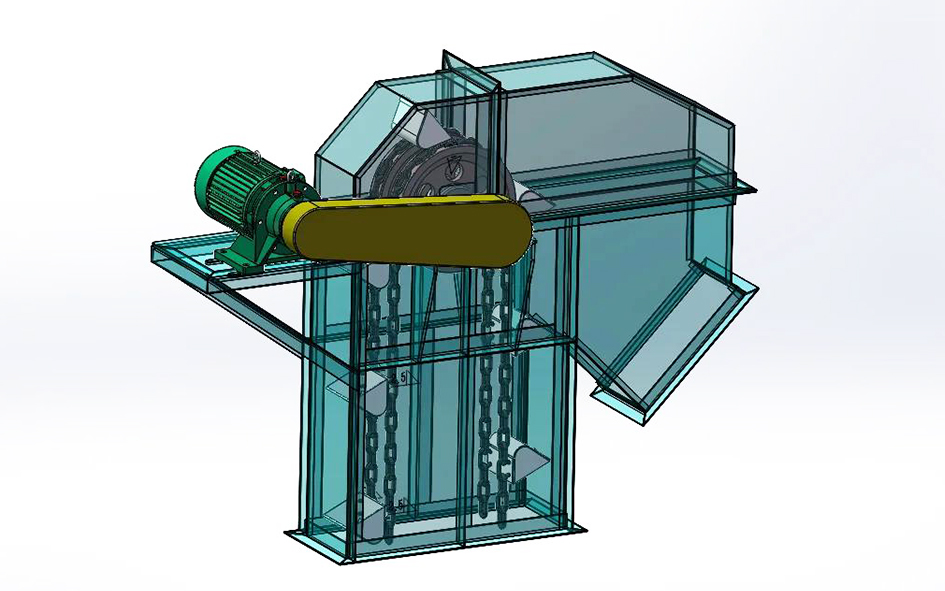
A Bucket Elevator is a continuous conveying machine that vertically lifts materials using a series of buckets uniformly attached to an endless traction member. Bucket elevators are widely used in the building materials, chemical, grain, metallurgy, coal, and power industries to lift various bulk materials vertically or at an incline, with material temperatures controlled below 250°C.
This series of elevators employs flow-in feeding and induced discharge; material flows into the buckets and is lifted to the top by the
plate chain, where it discharges automatically under the force of gravity. With a relatively small cross-sectional area and compact external dimensions, the conveying system can be arranged in a space-saving configuration. It features high lifting speeds and excellent sealing performance. Equipment Features
1. The machine features a compact design. The outer plate chain employs a special curved shape, eliminating structural defects caused by welding and ensuring the machine’s reliability and sealing performance.
2. The chain is made of high-strength, wear-resistant alloy, ensuring a long service life for the entire machine.
Model | Conveying Capacity | Model | Conveying Capacity | Model | Conveying Capacity | ||||||
V=0.15m/s | V=0.3m | V=0.6m | V=0.25m/S | V=0.5m/S | V=0.75m/s | V=1m/s | V=1.25m/s | V=1.5m/s | |||
TB200 | 4.5 | 9 | |||||||||
TB250 | 5.5 | 11 | |||||||||
TB280 | 9 | 18 | |||||||||
TB280H | 13.5 | 27 | 54 | ||||||||
TB300H | 27 | 54 | 108 | TBM300H | 60 | 120 | 180 | TBH300H | 230 | 290 | 345 |
TB315 | 19 | 38 | 76 | TBM315 | 42 | 84 | 126 | TBH315 | 170 | 210 | 255 |
TB315H | 28.5 | 57 | 114 | TBM315H | 63 | 126 | 189 | TBH315H | 240 | 300 | 36 |
TB400 | 32 | 64 | 128 | TBM400 | 70 | 140 | 280 | TBH400 | 275 | 340 | 410 |
TB400H | 40 | 80 | 160 | TBM400H | 100 | 200 | 300 | TBH400H | 370 | 460 | 555 |
TB450 | 36 | 72 | 144 | TBM450 | 80 | 160 | 240 | TBH450 | 310 | 390 | 465 |
TB450H | 45 | 90 | 180 | TBM450H | 110 | 220 | 330 | TBH450H | 420 | 525 | 360 |
TB500 | 40 | 80 | 160 | TBM500 | 90 | 180 | 270 | TBH500 | 345 | 430 | 520 |
TB500H | 50 | 100 | 200 | TBM500H | 120 | 240 | 360 | TBH500H | 465 | 580 | 700 |
TB600 | 63 | 126 | 252 | TBM600 | 140 | 280 | 420 | TBH600 | 540 | 675 | 810 |
TB600H | 81 | 162 | 324 | TBM600H | 190 | 380 | 570 | TBH600H | 720 | 900 | 1080 |
A bucket elevator is a specialized continuous conveying machine designed to vertically or steeply incline lift bulk materials using a series of buckets uniformly attached to an endless traction component. The fundamental operating principle involves buckets fixed at regular intervals along a chain or belt that travels around head and boot pulleys or sprockets, scooping material at the lower end and discharging it at the upper end. This equipment represents one of the most efficient and reliable methods for elevating bulk materials in industrial operations, offering a combination of high capacity, minimal space requirements, and excellent sealing characteristics.
The bucket elevator distinguishes itself from other conveying equipment through its ability to achieve significant vertical lifts while occupying a relatively small horizontal footprint. This space-saving characteristic makes it particularly valuable in facilities where floor space is at a premium or where materials must be elevated to considerable heights for further processing. The continuous nature of bucket elevator operation ensures a steady, uninterrupted flow of materials, essential for maintaining production rates in continuous processing operations.
The design philosophy of the modern bucket elevator centers on reliable, low-maintenance operation under demanding conditions. The traction components are engineered for long service life, and the buckets are designed to minimize material degradation and spillage during handling. The self-cleaning nature of the bucket elevator helps maintain consistent performance over extended operating periods and simplifies maintenance requirements.
The economic importance of bucket elevators in material handling operations is significant. These machines provide a cost-effective means of achieving vertical lifts that would otherwise require multiple pieces of equipment or complex transfer systems. The relatively low power consumption compared to other elevating methods contributes to reduced operating costs, while the high reliability minimizes downtime and production losses.
Chapter Two: Design Features and Technical Characteristics
Modern bucket elevators incorporate sophisticated design features that enhance their performance, reliability, and versatility across a wide range of applications.
Feeding and Discharge Mechanisms
The feeding system of the bucket elevator utilizes a gravity-fed, inflow-type loading method. Material flows into the buckets as they pass through the boot section, with the design ensuring efficient filling without excessive spillage or material degradation. The feeding mechanism is carefully engineered to match the bucket spacing and speed, achieving consistent fill levels that maximize conveying capacity while preventing overloading.
The discharge system operates on an induced discharge principle, where material is released from the buckets primarily by the force of gravity as they pass over the head sprocket or pulley. As the buckets reach the top of the elevating path and begin their downward travel, the material inside is discharged through the opening of the bucket into the discharge chute. This gravity-assisted discharge minimizes material degradation and reduces the power requirements for the system.
The discharge chute is designed to direct material smoothly into the receiving equipment or storage vessel, preventing buildup and ensuring complete material transfer. The shape and angle of the chute are optimized for the specific material being handled, considering factors such as flowability, particle size, and moisture content. The chute typically incorporates wear-resistant liners to extend service life in abrasive material handling applications.
Traction Components
The traction component of the bucket elevator provides the means for transmitting power from the drive system to the buckets and guiding them along the conveying path. The selection of the traction component is determined by the application requirements, including lift height, material characteristics, and operating conditions. Belt-type and chain-type systems each offer distinct advantages for specific applications.
Chain-type traction components are generally preferred for heavy-duty applications where the materials being handled are heavy, abrasive, or high-temperature. The chain construction can include various link styles and pin configurations, with regular lubrication and maintenance essential for achieving maximum service life. The use of sealed and self-lubricating chain components helps reduce maintenance requirements while maintaining reliable operation.
The bucket attachment to the traction component must be secure enough to withstand the forces encountered during loading, lifting, and discharge while allowing for easy replacement when necessary. Various attachment methods are available, including bolted, riveted, and quick-release designs. The choice of attachment method affects both the maintenance requirements and the reliability of the system.
Bucket Design and Configuration
The buckets are the components that actually contain and transport the material during the elevating process. Bucket design and configuration significantly affect the performance of the elevator, influencing factors including capacity, material degradation, and discharge efficiency. The bucket shape, size, and material selection must be matched to the specific application requirements.
Standard bucket shapes include deep, shallow, and rounded configurations, each providing different characteristics for material handling. Deep buckets provide maximum capacity for free-flowing materials, while shallow buckets offer better discharge characteristics for materials that tend to stick or bridge. Rounded buckets provide excellent self-cleaning properties and are often used for materials that are abrasive or difficult to handle.
Bucket material selection is critical for achieving acceptable service life in specific applications. Common materials include fabricated steel for general use, stainless steel for food or corrosive applications, and wear-resistant alloys for handling abrasive materials. The bucket thickness and reinforcement are selected based on the weight and abrasiveness of the material being handled, with heavier materials requiring stronger bucket construction.
Drive System and Power Transmission
The drive system of the bucket elevator provides the power necessary to lift the loaded buckets and overcome the resistance of the conveying system. The most common drive configuration uses an electric motor connected to a gearbox that reduces the motor speed to the appropriate shaft speed. The drive system may be located at the head end of the elevator or in some cases at the boot end, depending on the application and space constraints.
Various drive configurations are available to suit different application requirements. Direct drives with an electric motor and gearbox provide efficient power transmission and reliable operation. Hydraulic drives may be preferred in applications requiring variable speed operation or where electric power is not practical. The selection of the drive system includes consideration of power requirements, operating conditions, and maintenance accessibility.
The drive pulley or sprocket transmits power from the drive shaft to the traction component through friction or positive engagement. The drive surface may be specially treated or covered with friction material to improve power transmission. Proper alignment of the drive components is essential for preventing premature wear and maintaining efficient operation.
Temperature Capabilities
The temperature capability of the bucket elevator is an important design consideration for many applications. The standard design can handle materials with temperatures up to approximately two hundred fifty degrees Celsius, making it suitable for handling a wide range of materials including those from thermal processing operations. This temperature capability is achieved through the selection of appropriate materials and design features that accommodate thermal expansion and maintain dimensional stability.
Materials that exceed the temperature rating may require special design features, such as the use of high-temperature alloys in the buckets and traction components, or the incorporation of cooling systems to reduce material temperature before it contacts the elevator. The temperature of the material also affects the selection of lubrication and the frequency of maintenance required.
The temperature capability extends to the bearings and other components that must operate reliably at elevated temperatures. Special high-temperature lubrication and materials may be required for applications where the material temperature approaches the upper limit. Regular monitoring of component temperatures during operation helps ensure that the elevator is operating within its design limits.
Sealing and Dust Containment
The sealing and dust containment features of the bucket elevator are critical for maintaining safe and environmentally responsible operation. The elevator housing is designed to contain the material and prevent the release of dust into the work environment. This containment is particularly important when handling materials that present health hazards, that are combustible, or that must be protected from contamination.
The design incorporates seals at all potential leakage points, including the head and boot sections, inspection doors, and access points. The use of close-tolerance clearances and effective gasketing minimizes the escape of dust while allowing necessary access for maintenance and inspection. The housing design also accommodates the connection to dust collection systems where required.
The sealing effectiveness contributes to the overall reliability of the elevator by preventing the ingress of foreign materials that could cause wear or damage to the components. Clean operation also reduces maintenance requirements by minimizing the accumulation of material on the traction component and other moving parts.
Chapter Three: Application Scenarios
The bucket elevator finds application across a remarkably diverse range of industries, each presenting unique material handling requirements that influence the selection and design of the equipment.
Grain and Feed Processing
The grain and feed processing industry represents one of the most significant application areas for bucket elevators. These machines are used extensively for handling grain, rice, corn, wheat, and other cereal products, as well as animal feed ingredients and finished feeds. The gentle handling provided by properly designed bucket elevators is essential for minimizing damage to grain and maintaining product quality.
In grain receiving operations, bucket elevators are used to elevate grain from receiving pits to storage bins or processing equipment. The high capacity and continuous operation of bucket elevators make them ideal for the volume requirements of grain terminals and processing plants. The efficient feeding and discharge mechanisms ensure consistent performance while minimizing spillage and waste.
The handling of animal feeds presents additional challenges, including the presence of fine particles and the potential for contamination. Bucket elevators used in feed applications often incorporate special design features for minimizing dust generation and preventing contamination. The use of stainless steel buckets and easy-clean designs helps maintain sanitation standards and product quality.
Mineral Processing and Mining
The mining and mineral processing industry uses bucket elevators for handling various ores, concentrates, and other mineral products. These applications require heavy-duty construction with wear-resistant components to withstand the abrasive nature of mineral materials. The ability to handle relatively high temperatures also makes bucket elevators suitable for handling materials from drying and calcining operations.
In mineral processing plants, bucket elevators are used to elevate ore between processing stages, to feed equipment such as crushers and mills, and to load finished products into storage or transport vessels. The vertical lifting capability allows for compact plant layouts that maximize the use of available space. The reliable operation of bucket elevators is critical for maintaining production rates in mineral processing operations.
The handling of materials with high specific gravity, such as iron ore and copper concentrates, requires careful selection of buckets and traction components to ensure adequate strength and service life. The use of heavier gauge buckets and stronger chain components is often necessary for these demanding applications.
Cement and Building Materials
The cement and building materials industry relies heavily on bucket elevators for handling raw materials, semi-finished products, and finished cement. The high temperatures involved in cement production require bucket elevators with temperature ratings appropriate for handling hot materials from kilns and coolers. The abrasive nature of cement and raw materials demands wear-resistant components and regular maintenance.
In cement plants, bucket elevators are used at various points in the production process, including feeding raw materials to the raw mill, elevating raw meal to the preheater, and handling finished cement in the grinding and packaging stages. The vertical lifting capability of bucket elevators helps achieve the vertical integration of equipment that is common in modern cement plants.
The handling of building materials such as sand, gravel, and crushed stone also represents a significant application area. These materials vary widely in their flow characteristics and abrasiveness, requiring careful selection of bucket and chute designs to achieve reliable operation. The high capacity requirements of bulk material handling demand bucket elevators with appropriate throughput capabilities.
Chemical and Fertilizer Industries
The chemical industry uses bucket elevators for handling a wide variety of materials, including powders, granules, and pellets. The chemical resistance of the materials used in bucket construction is important for preventing contamination of the product and ensuring equipment service life. Stainless steel and specialized coatings may be required for handling corrosive or hygroscopic materials.
In fertilizer production, bucket elevators handle raw materials and finished products, including materials with high moisture content or reactive properties. The design must accommodate the potential for caking and sticking that can occur with hygroscopic materials. The use of self-cleaning bucket designs and the incorporation of heating or ventilation features can help maintain reliable operation.
The handling of chemical materials also requires careful attention to sealing and dust containment to protect worker health and the environment. The potential for dust explosions in chemical handling applications demands appropriate explosion prevention and protection measures in the elevator design.
Metallurgical and Foundry Applications
The metallurgical industry uses bucket elevators for handling various materials, including ores, fluxes, and finished products. The high temperatures encountered in metallurgical applications may approach the upper limits of standard bucket elevator capabilities, requiring careful attention to material selection and thermal design. The handling of abrasive materials such as scrap and ores demands heavy-duty construction.
In foundry operations, bucket elevators handle sand, castings, and other materials as part of the casting and finishing process. The ability to handle hot materials is often required, and the design of the elevator must accommodate the thermal expansion and contraction that occurs during operation. The use of heat-resistant bucket materials and careful thermal management is essential.
The handling of ferroalloys and other metallic materials presents particular challenges due to the weight and abrasiveness of these materials. Heavy-duty bucket elevators with reinforced construction and wear-resistant components are required for these applications, with careful attention to the service life of wear components and the frequency of maintenance required.
Coal and Power Generation
The coal and power generation industry uses bucket elevators extensively for handling coal in various stages of preparation and use. The handling of coal presents challenges related to dust control and fire prevention, requiring careful attention to sealing and the use of appropriate materials. Bucket elevators are used in coal preparation plants, loading facilities, and power plant fuel handling systems.
In power plant applications, bucket elevators may handle coal with high moisture content or with significant fines content, requiring design features for maintaining flow and minimizing plugging. The handling of coal for power generation often involves high volumes and continuous operation, demanding reliable equipment with minimal maintenance requirements.
The use of bucket elevators in coal handling also extends to the transportation of coal from mines to processing plants and to loading facilities for further transport. These applications often require large-capacity elevators capable of operating in outdoor environments with exposure to weather and temperature extremes.
Agriculture and Food Processing
The agricultural sector extends beyond grain handling to include applications such as handling seeds, beans, and processed food ingredients. The gentle handling of bucket elevators helps prevent damage to seeds and maintains viability, making them suitable for seed processing and handling operations. The self-cleaning design helps prevent contamination between different materials.
In food processing, bucket elevators handle ingredients and products that require sanitary design and easy cleaning. The use of stainless steel and food-grade materials is essential for maintaining product quality and meeting regulatory requirements. The design must also accommodate frequent cleaning and sanitation to prevent product contamination.
The handling of agricultural chemicals, including fertilizers and pesticides, requires careful attention to chemical resistance and containment. The potential for corrosion and product contamination demands the use of appropriate materials and design features to protect both the product and the equipment.
Chapter Four: Operating Procedures and Usage Guidelines
Proper operation of a bucket elevator requires systematic procedures that ensure safe and reliable performance while maximizing equipment service life.
Pre-Operational Inspection
Before starting the bucket elevator, a thorough inspection should be performed. The buckets should be examined for signs of damage, including deformation, cracks, or excessive wear. The bucket attachment to the traction component should be checked for tightness and condition. Any damaged or loose buckets should be repaired or replaced before operation.
The traction component should be inspected for proper tension and condition. Chain or belt tension should be within the specified range to ensure proper engagement with the drive and boot components. The condition of links, pins, and other components should be checked for wear or damage that could affect reliable operation.
The drive system should be inspected for proper lubrication and the condition of drive components. The motor, gearbox, and other drive components should be checked for leaks or other signs of problems. The drive components should be properly aligned to prevent premature wear and maintain efficient operation.
Startup Procedure
Starting the bucket elevator should follow a standardized procedure to ensure safe and reliable operation. The startup sequence should include a warning signal to alert personnel to the impending startup. The elevator should be started empty, allowing it to reach full speed before material is introduced.
Material feed should be started gradually, building up to the desired feed rate over a short period. This gradual loading reduces the stress on the elevator components and minimizes the risk of jams or other operational problems. If the elevator is equipped with a variable speed drive, the speed should be increased gradually to the desired operating speed.
During startup, the operator should monitor the elevator closely for any signs of abnormal operation, including unusual noise, vibration, or material spillage. If any problems are observed, the elevator should be stopped immediately and the cause investigated before restarting.
Normal Operation
During normal operation, the elevator should be monitored continuously for any signs of developing problems. The operator should be alert for changes in sound or vibration that could indicate bearing problems, chain wear, or other issues. The material flow should be monitored to ensure the elevator is not being overloaded.
The discharge operation should be observed to ensure complete material discharge and to detect any material buildup or bridging. Incomplete discharge can cause material to accumulate in the buckets, reducing capacity and increasing the load on the elevator components. The discharge chute should be inspected for wear or material buildup that could affect performance.
The temperature of drive components should be monitored periodically. Excessive temperature can indicate lubrication problems, overloading, or other issues requiring attention. Bearing temperatures, in particular, should be monitored as they provide early warning of developing problems.
Material Handling Considerations
The characteristics of the material being elevated significantly affect elevator operation. Bulk density, flowability, moisture content, and particle size all influence the selection of operating parameters. Operators should be aware of the material's characteristics and adjust operations accordingly.
When handling materials with high moisture content or stickiness, special attention should be paid to the discharge area and the potential for material buildup in the buckets. The use of heated buckets or the application of release coatings can help maintain consistent discharge. Regular cleaning of the bucket and discharge areas may be required.
For materials with high temperatures, the temperature of the elevator components should be monitored to ensure they remain within acceptable limits. The use of temperature monitoring and control systems can help detect developing thermal problems and prevent damage to the equipment.
Shutdown Procedure
Shutting down the bucket elevator should be performed in a controlled manner to prevent material buildup and minimize stress on the equipment. The material feed should be stopped first, allowing the elevator to clear its remaining material before the drive is disengaged. This clearing period is particularly important when handling materials that may adhere to the buckets.
After the material has been cleared, the elevator should be allowed to continue running for a short period to ensure complete discharge from the buckets. The drive should then be disengaged, and the elevator allowed to coast to a stop. After the elevator has stopped completely, a walk-around inspection should be performed to check for any signs of problems.
If the elevator is to be shut down for an extended period, additional measures may be necessary. The elevator should be cleaned of any remaining material, and the buckets and traction component should be inspected for signs of wear or damage that may need attention before the next startup.
Chapter Five: Common Troubleshooting Issues
Despite careful operation and maintenance, bucket elevators may experience various problems that require troubleshooting and corrective action. Understanding the common issues and their potential causes is essential for prompt diagnosis and resolution.
Bucket Damage and Wear
Bucket damage is one of the most common problems encountered in bucket elevator operation. Buckets may become deformed from impact with foreign objects or from overloading. Cracks may develop in the bucket metal due to fatigue or corrosion. Wear of the bucket edges and bottom can reduce capacity and may lead to bucket failure.
The causes of bucket damage include impact from large or heavy pieces of material, overloading that exceeds the bucket's design capacity, and normal wear from handling abrasive materials. Inspection should focus on identifying the specific type and cause of damage to prevent recurrence.
Corrective actions for bucket damage include repairing damaged buckets where possible and replacing buckets that are beyond repair. The root cause of the damage should be addressed, which may involve modifying the feeding system, adjusting the operating parameters, or upgrading to more durable bucket materials.
Chain or Belt Problems
Problems with the traction component can cause operational issues and potential failures. Chain or belt wear can lead to elongation, which can cause poor engagement with the sprockets or pulleys. Chain or belt breakage is a serious failure that requires immediate attention to prevent damage to other components.
Signs of chain or belt problems include unusual noise, irregular movement of the buckets, or visible slack in the traction component. Chain wear is typically measured by checking the elongation of the chain over a specified length and comparing it to acceptable limits. Belt wear can be assessed by visual inspection and tension checks.
Preventive measures for traction component problems include regular inspection and lubrication, proper tensioning, and replacement of components at appropriate intervals. The use of high-quality components and proper installation techniques can help extend service life.
Boot Section Blockages
The boot section is a common location for blockages, where material may accumulate around the boot pulley or sprocket and interfere with operation. Blockages can be caused by improper feeding that results in material spilling back into the boot, handling materials with excessive moisture that causes sticking, or operating at low speeds that allow material to accumulate.
The boot section should be inspected regularly for material accumulation, and any buildup should be removed promptly. The feeding arrangement should be checked to ensure that material is being introduced properly into the buckets and that spillage back into the boot is minimized.
Design modifications such as boot scrapers and cleaning devices can help reduce blockages in the boot section. The use of vibration or agitation may help prevent material buildup in the boot area when handling sticky or cohesive materials.
Discharge Issues and Material Carryback
Incomplete discharge of material from the buckets is a common problem that can reduce elevator capacity and cause material buildup in the buckets. The most common cause of incomplete discharge is improper bucket speed, where buckets are traveling too fast or too slow for the material being handled.
Sticky materials may not discharge completely from the buckets, requiring additional cleaning provisions. The use of self-cleaning bucket designs that incorporate features to promote complete discharge can help address this problem. The installation of bucket knockers or vibrators may be necessary for materials that are particularly sticky or cohesive.
Material carryback can also result from wear on the discharge chute or from improper discharge chute design that does not capture all material released from the buckets. The discharge chute should be inspected regularly for wear and adjusted as necessary to ensure proper material capture.
Drive System Problems
Drive system problems can cause operational issues and potential failures. Motor problems, gearbox issues, and drive coupling failures can all affect elevator performance. Common symptoms of drive system problems include overheating, excessive noise, and vibration.
Motor problems may be caused by electrical issues, overload conditions, or inadequate cooling. Regular inspection of the motor and electrical connections, along with monitoring of motor temperature and current draw, can help detect developing problems. Overload conditions should be addressed by adjusting the material feed rate or by upgrading the motor and drive components.
Gearbox problems often result from inadequate lubrication, overloading, or normal wear. Regular oil changes and oil analysis can help detect developing gearbox problems before they cause failure. The selection of gearboxes with appropriate ratings for the application helps ensure reliable operation.
Material Degradation
Some applications may experience material degradation during the elevating process, where the material is damaged by impact or abrasion. Material degradation can affect product quality and may lead to dust generation or other operational problems. The causes of material degradation include excessive drop heights at loading points, impact against the bucket surfaces, and friction during conveying.
Measures to reduce material degradation include the use of gentle handling techniques, such as low-speed operation and careful feeding, along with the use of buckets and liners that minimize impact damage. Material degradation can also be reduced by selecting bucket designs that accommodate the specific characteristics of the material being handled.
This website uses cookies to ensure you get the best experience on our website.
 Español
 Pусский
 العربية
 Tiếng Việt



 WhatsApp
 Phone: