

A dehydrating Bucket Elevator is a specialized continuous conveying machine designed to simultaneously elevate and dewater bulk materials that contain significant moisture content. This equipment combines the vertical lifting function of a conventional bucket elevator with integrated drainage and dewatering capabilities, making it particularly valuable in applications where materials must be both transported vertically and freed from excess water. The Dehydrating Bucket Elevator represents an evolution of standard bucket elevator technology, incorporating design features specifically intended to separate water from solid materials during the conveying process.
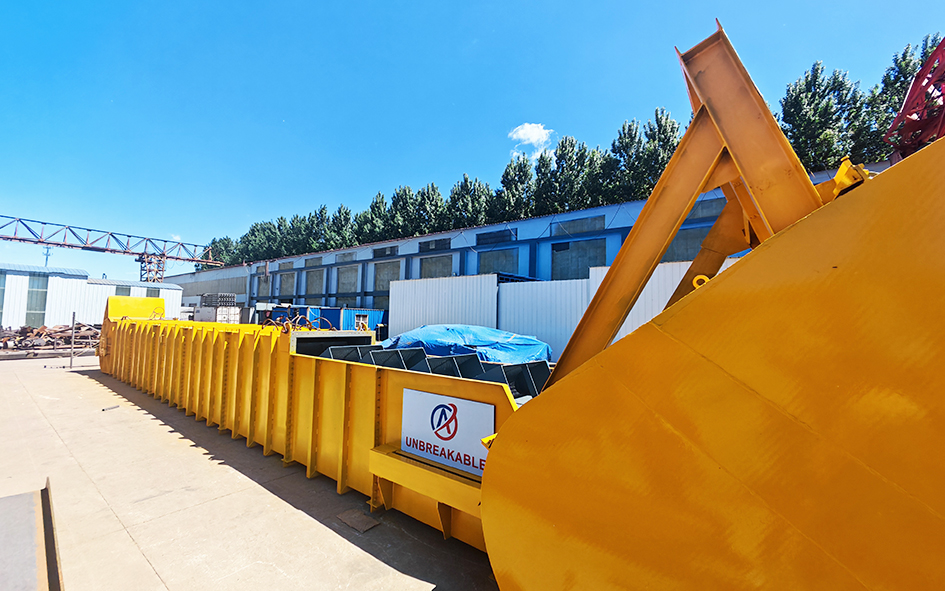
The fundamental operating principle of the dehydrating bucket elevator builds upon the standard bucket elevator concept while adding critical dewatering functionality. As the buckets travel through the boot section, they scoop up a mixture of solids and water. During the elevating process, water is allowed to drain from the material through perforations or specially designed openings in the buckets, with the drained water collected and directed away from the system. The elevated material, now with significantly reduced moisture content, is discharged at the head section for further processing or handling.
What distinguishes the dehydrating bucket elevator from standard bucket elevators is its integrated approach to moisture removal. Rather than requiring a separate dewatering step before or after elevating, this equipment accomplishes both functions in a single continuous operation. This integration reduces the equipment footprint required for material processing, simplifies the material handling system, and minimizes the number of transfer points where material degradation or spillage might occur.
The economic significance of dehydrating bucket elevators is substantial in industries where moisture removal is essential for subsequent processing steps. By reducing the moisture content of materials during elevation, these machines can significantly reduce the energy required for downstream drying operations. The water removed during the elevating process is typically recovered and can be returned to the process or treated for disposal, contributing to water conservation and environmental compliance.
Chapter Two: Design Features and Technical Characteristics
Dehydrating bucket elevators incorporate specialized design features that extend beyond those of conventional bucket elevators, specifically addressing the challenges of handling wet materials and achieving effective dewatering.
Bucket Design with Drainage Capabilities
The buckets used in dehydrating bucket elevators are the most critical component for achieving effective dewatering. These buckets are designed with perforations, slots, or mesh sections that allow water to drain from the material during the elevating process. The size and pattern of these openings are carefully selected based on the particle size and characteristics of the material being handled, ensuring that solids are retained while water is allowed to escape.
The drainage openings are typically located on the bottom and side surfaces of the buckets, positioned to maximize water removal while maintaining the structural integrity of the bucket. The total open area is optimized to achieve the desired dewatering performance while preventing clogging from fine particles or sticky materials. The bucket shape may also be modified from standard configurations to improve drainage characteristics and promote complete water separation.
The material selection for dehydrating buckets is particularly important, as the combination of water exposure and abrasion can accelerate wear. Stainless steel and corrosion-resistant alloys are commonly used in applications where the water contains corrosive components. Wear-resistant steel with appropriate corrosion protection may be used in less demanding applications.
Drainage Collection and Water Removal System
The drainage collection system is essential for capturing and directing water that drains from the buckets during operation. This system typically includes collection pans or troughs located beneath the elevating section, designed to catch water as it drains through the bucket openings. The collected water is then directed to a sump or return system for processing or disposal.
The drainage collection system is designed to prevent water from entering the drive components or other sensitive areas of the elevator. Proper sealing and drainage paths are essential for protecting bearings, chains, and other components from water damage. The collection system must also be accessible for cleaning and maintenance to prevent buildup of fines or sediment.
The water removal system may include pumps for moving the collected water to processing equipment or disposal points. The pumps must be selected based on the volume and characteristics of the water, including the presence of solids that could cause wear or clogging. The piping system for water removal should be sized to handle the expected flow rates and should include access points for cleaning and maintenance.
Traction Component Protection
The traction components of dehydrating bucket elevators are exposed to water and abrasive solids during operation, requiring special design considerations for protection and service life. Chains and belts must be corrosion-resistant or protected from water exposure through sealing, lubrication, or material selection. The use of self-lubricating chain components can help maintain reliable operation in wet environments.
Chain guards and other protective features are essential for keeping water and solids away from the chain and sprockets. The guards must be designed to allow for adequate drainage while preventing the ingress of water and material. Regular inspection and cleaning of the guards and chain area are essential for maintaining reliable operation.
The boot and head sections must also be protected from water damage. Seals at the shaft penetrations and other potential water entry points must be maintained to prevent water from reaching bearings and other sensitive components. The use of water-resistant bearings and seals is essential for achieving acceptable service life in dehydrating applications.
Specialized Drive and Speed Control
The drive system of a dehydrating bucket elevator must be capable of handling the variable loads that can result from changing material moisture content and the added weight of water in the system. The drive motor should be sized to handle both the weight of the material and the additional load from water that may be present in the buckets.
Variable speed drives are often used with dehydrating bucket elevators, allowing operators to adjust the conveying speed to optimize dewatering performance. Slower speeds generally allow more time for water drainage, while faster speeds may be needed to maintain production rates. The ability to adjust speed provides operational flexibility to accommodate changes in material characteristics.
The control system should include provisions for monitoring the drive load and providing warning of overloading conditions. Overload protection is particularly important in dehydrating applications where the material weight can vary significantly based on moisture content.
Corrosion Protection and Materials
Corrosion protection is a critical design consideration for dehydrating bucket elevators due to the continuous exposure to water and potentially corrosive materials. The selection of materials for buckets, chains, and structural components must consider the corrosive nature of the water and the materials being handled.
Stainless steel and other corrosion-resistant alloys may be used for bucket and chain components in applications where standard steel would not provide acceptable service life. The use of corrosion-resistant coatings can provide protection while reducing the cost compared to solid corrosion-resistant materials.
The structural components of the elevator should be protected from corrosion through the use of appropriate coatings or corrosion-resistant materials. Paint systems, galvanizing, or other protective measures should be specified based on the operating environment and the expected service life of the equipment.
Integration with Water Treatment Systems
The water removed during the dewatering process must be handled appropriately, which often involves integration with water treatment systems. The design of the dehydrating bucket elevator should include connections and provisions for the water collection and removal system to interface with the facility's water treatment infrastructure.
The characteristics of the water, including the solids content and the presence of any contaminants, influence the design of the water handling system. Filtration or settling may be required before the water can be returned to the process or discharged to the environment. The elevator design should accommodate the expected water quality and flow rates.
Chapter Three: Application Scenarios
Dehydrating bucket elevators find application across a diverse range of industries where materials with significant moisture content must be elevated and dried simultaneously. Each application presents unique requirements that influence the selection and design of the equipment.
Coal Preparation and Processing
The coal industry represents one of the most significant application areas for dehydrating bucket elevators. In coal preparation plants, these machines are used to handle coal that has been washed or processed in wet systems, removing excess water before the coal is sent to storage or further processing. The dewatering performed by the elevator helps reduce the moisture content of the coal, improving its handling characteristics and reducing the energy required for drying.
The use of dehydrating bucket elevators in coal preparation is particularly valuable for handling fines and small coal that retain significant moisture after washing. The dewatering performed during elevation helps reduce the moisture content of these materials, improving their flow properties and reducing the potential for plugging in downstream equipment.
The water removed from the coal during dewatering can be returned to the coal preparation circuit, contributing to water conservation and reducing the volume of water that must be discharged to the environment. This water recovery also helps maintain the solids balance in the preparation circuit, reducing the amount of fresh water required.
Mineral Processing and Beneficiation
The mineral processing industry uses dehydrating bucket elevators for handling various minerals that have been processed in wet circuits. The dewatering performed during elevation helps reduce the moisture content of mineral concentrates and tailings, improving their handling and transport characteristics. The removal of water also reduces the energy required for downstream drying operations.
In mineral beneficiation operations, dehydrating bucket elevators are often used to handle material that has been washed or separated in wet processes. The elevators provide a simple and effective means of dewatering the material while moving it to the next processing stage or to storage.
The water removed from the minerals can be returned to the process for reuse, contributing to water conservation and reducing environmental impacts. The recovery of water also helps maintain the water balance in the beneficiation circuit, reducing the volume of fresh water required for the operation.
Aggregate and Sand Processing
The aggregate industry uses dehydrating bucket elevators for handling sand, gravel, and other aggregate materials that have been washed or processed in wet systems. The dewatering performed during elevation helps reduce the moisture content of the aggregate, improving its handling characteristics and reducing the potential for issues such as freezing in cold weather.
The use of dehydrating bucket elevators in aggregate processing is particularly valuable for handling fine materials such as sand, which can retain significant moisture after washing. The dewatering performed during elevation helps reduce the moisture content of the sand, improving its flow properties and reducing the potential for plugging in handling equipment.
The water removed from the aggregate can be treated and reused in the washing process, contributing to water conservation and reducing the volume of water that must be discharged to the environment.
Sand and Gravel Washing Operations
In sand and gravel washing operations, dehydrating bucket elevators serve the critical function of elevating and dewatering the washed material. The elevators typically receive the washed material from the washing equipment and elevate it while allowing the water to drain, producing a drier product that can be stockpiled or loaded for transport.
The dewatering process in sand and gravel operations is particularly important for achieving the moisture content required for product specifications and customer requirements. The use of dehydrating bucket elevators helps achieve the necessary moisture reduction in a single continuous operation.
The water removed during dewatering is typically returned to the washing circuit for reuse, contributing to water conservation and reducing the environmental impact of the operation.
Sugar Processing
The sugar industry uses dehydrating bucket elevators for handling sugar beet pulp and other byproducts of sugar production. The elevators handle materials with significant moisture content and reduce their moisture levels during the elevating process, preparing the materials for further processing or as animal feed.
The dewatering performed by the elevator helps reduce the moisture content of the sugar beet pulp, reducing the weight and volume of the material for transport and improving its storage characteristics. The removed water can be returned to the process for reuse or treated for disposal.
The handling of sugar production byproducts requires careful consideration of hygiene and contamination prevention. The elevator design should minimize the potential for contamination and provide easy access for cleaning and sanitation.
Waste Management and Recycling
The waste management and recycling industry uses dehydrating bucket elevators for handling various materials that have been processed in wet systems. These may include materials such as plastics, paper, and metals that have been washed or separated in water-based processes. The dewatering performed during elevation helps reduce the moisture content of these materials, improving their handling and processing characteristics.
In recycling operations, the water removed during dewatering may contain contaminants that require treatment before reuse or disposal. The design of the dehydrating bucket elevator should accommodate the expected water quality and provide for appropriate water handling.
The use of dehydrating bucket elevators in waste management helps reduce the volume of water that must be treated and the weight of the materials for transport, contributing to operational efficiency and reduced costs.
Chemical and Industrial Processing
Various chemical and industrial processing operations use dehydrating bucket elevators for handling materials that are processed in wet circuits. The elevators provide a convenient means of dewatering the materials while moving them to the next process stage, reducing the energy required for drying and improving the handling characteristics of the materials.
The materials handled in chemical and industrial applications may include a wide variety of products, each with specific dewatering requirements and characteristics. The selection of the elevator design and materials must be based on the properties of the materials being handled.
The water removed from the materials may contain chemicals or other contaminants that require treatment before reuse or disposal. The design of the elevator and the water handling system must accommodate the expected water quality and provide appropriate treatment measures.
Chapter Four: Operating Procedures and Usage Guidelines
Proper operation of a dehydrating bucket elevator requires systematic procedures that ensure safe and reliable performance while achieving the desired dewatering results.
Pre-Operational Inspection
Before starting the dehydrating bucket elevator, a thorough inspection should be performed. The buckets should be examined for signs of damage, including deformation, cracks, or excessive wear. The drainage openings in the buckets should be checked for clogging that could affect dewatering performance. Any damaged or clogged buckets should be addressed before operation.
The drainage collection system should be inspected for proper operation, checking for any blockages that could cause water to back up and affect elevator operation. The water removal pumps and piping should be checked for proper operation and any signs of wear or damage.
The traction component should be inspected for proper tension and condition. The effects of water exposure on chains or belts should be assessed, and any signs of corrosion or wear should be addressed. The drive system should be checked for proper lubrication and the condition of drive components.
Startup Procedure
Starting the dehydrating bucket elevator should follow a standardized procedure that ensures safe and reliable operation. The startup sequence should include activation of the drainage collection and water removal systems before the elevator is started. This ensures that the drainage system is ready to handle water that will be produced as soon as the elevator begins operation.
The elevator should be started empty, allowing it to reach full speed before material is introduced. Material feed should be started gradually, building up to the desired feed rate over a short period. During the initial startup period, the operator should monitor the dewatering performance and check that the drainage system is operating properly.
The operator should monitor the elevator closely during startup for any signs of abnormal operation, including unusual noise, vibration, or water backup in the drainage system. If any problems are observed, the elevator should be stopped immediately and the cause investigated before restarting.
Normal Operation
During normal operation, the elevator should be monitored continuously for proper dewatering performance. The moisture content of the discharged material should be checked regularly to ensure the dewatering system is achieving the desired results. Changes in moisture content may indicate problems with the drainage openings, the feed rate, or the condition of the buckets.
The drainage collection system should be monitored to ensure it is handling the water volume produced during operation. Any signs of water backing up or overflowing should be investigated immediately. The water removal pumps should be monitored for proper operation and any signs of wear or problems.
The elevator components should be monitored for signs of wear or corrosion that could affect performance or service life. Regular inspection of the buckets, traction components, and structural elements is essential for identifying developing problems before they cause failure.
Material Handling Considerations
The moisture content of the feed material significantly affects elevator performance and dewatering efficiency. Higher moisture content generally requires more water removal capacity and may require slower conveying speeds to achieve adequate dewatering. The feed rate may need to be adjusted based on the moisture content and the dewatering capability of the elevator.
The characteristics of the material, including particle size distribution and shape, affect the dewatering performance. Fine materials may require longer dewatering times or additional dewatering measures to achieve the desired moisture content. The use of appropriate bucket designs and drainage opening sizes is critical for effective dewatering of specific material types.
The presence of materials that are sticky or cohesive may affect both the feeding and discharge of the elevator and the dewatering performance. Special design features, such as self-cleaning buckets or vibration aids, may be necessary for handling difficult materials.
Shutdown Procedure
Shutting down the dehydrating bucket elevator should be performed in a controlled manner to prevent water accumulation and material buildup. The material feed should be stopped first, allowing the elevator to clear its remaining material before the drive is disengaged. The drainage system should continue operating for a period after the elevator has stopped to handle any residual water.
After the material has been cleared, the elevator drive should be disengaged, and the elevator allowed to coast to a stop. After the elevator has stopped completely, the drainage collection system and pumps should be shut down.
A walk-around inspection should be performed after shutdown to check for any signs of problems that developed during operation. The buckets should be inspected for material buildup or clogging of the drainage openings that should be addressed before the next startup.
Chapter Five: Common Troubleshooting Issues
Despite careful operation and maintenance, dehydrating bucket elevators may experience various problems that require troubleshooting and corrective action.
Clogged Drainage Openings
Clogging of the drainage openings in the buckets is one of the most common problems in dehydrating bucket elevator operation. Fine particles, sticky materials, or materials with high clay content can plug the openings, reducing dewatering performance and potentially causing water to accumulate in the buckets.
The causes of clogging include handling materials with excessive fines, operating at too high a feed rate, or using bucket openings that are too small for the material being handled. The solution may involve adjusting the feed rate, changing the opening size or pattern, or adding cleaning mechanisms such as water sprays or air jets.
Regular inspection and cleaning of the buckets are essential for maintaining dewatering performance. The cleaning interval should be based on the characteristics of the material and the observed rate of clogging. The use of removable bucket panels or other design features can facilitate cleaning.
Poor Dewatering Performance
Insufficient dewatering may result from various factors, including improper bucket design, inadequate drainage area, excessive feed rate, or insufficient residence time. The dewatering performance should be evaluated by measuring the moisture content of the discharged material and comparing it to the desired specification.
Adjustments to the feed rate or conveyor speed may improve dewatering performance. Slower speeds allow more time for water drainage, while higher speeds increase capacity at the expense of dewatering. The optimal speed should be determined based on the material characteristics and the desired moisture content.
Modifications to the bucket design, such as increasing the drainage opening area or changing the opening pattern, may be necessary to achieve the desired dewatering performance. The use of additional dewatering devices, such as vibratory screens or air knives, may also be considered.
Water Accumulation in the Elevator
Accumulation of water in the elevator, rather than being contained and directed away, indicates problems with the drainage collection system. The most common causes are inadequate collection capacity, blockages in the collection path, or failure of the water removal pumps.
The drainage collection system should be inspected for any blockages or restrictions that could be preventing water flow. The pumps should be checked for proper operation and capacity. The collection pans and troughs should be checked for level and slope to ensure positive water flow.
The water removal system may need to be upgraded if the water volume exceeds the design capacity. This could involve larger pumps, additional collection capacity, or modifications to the collection system layout.
Excessive Wear or Corrosion
The combination of water and abrasive solids can cause accelerated wear or corrosion of elevator components. The buckets, traction components, and structural elements may all be affected. Signs of wear include thinning of bucket material, elongation of chains, and erosion of structural elements.
The selection of materials and protective coatings should be reviewed to ensure they are appropriate for the operating conditions. Upgrading to more wear-resistant or corrosion-resistant materials may be necessary to achieve acceptable service life.
The maintenance program should include regular inspection and measurement of wear to identify developing problems and plan for replacement before failure occurs. The replacement of wear components before they fail can help minimize downtime and prevent damage to other components.
Chain or Belt Problems
The traction components are particularly susceptible to problems in dehydrating elevator applications due to the combination of water exposure and the variable loads caused by changing moisture content. Chain wear, corrosion, and breakage are all potential problems.
Chain or belt tension should be checked regularly and adjusted as needed to maintain proper engagement with the sprockets or pulleys. Signs of chain wear should be addressed before they lead to failure. Corrosion protection of the chain components is essential for achieving acceptable service life.
The use of corrosion-resistant chain materials or coatings may be appropriate for applications where standard chain would not provide acceptable service life. The chain lubrication method should be reviewed to ensure it is effective in the presence of water.
Material Build-up and Bridging
Build-up of material on the buckets, the housing, or the chutes can cause operational problems and reduce dewatering performance. The build-up may be caused by sticky materials, insufficient cleaning, or design features that allow material to accumulate.
Regular cleaning of the buckets and other areas is essential for preventing build-up. The cleaning method should be appropriate for the material being handled and may include mechanical cleaning, water sprays, or air blasts.
Modifications to the bucket design or housing configuration may be necessary to reduce build-up. The use of self-cleaning bucket designs and smooth surfaces in areas where material may accumulate can help minimize the problem.
This website uses cookies to ensure you get the best experience on our website.
 Español
 Pусский
 العربية
 Tiếng Việt



 WhatsApp
 Phone: