

Light-Duty Electric Flatbed Trucks: A Comprehensive Guide
Light-duty electric flatbed trucks are rapidly transforming urban logistics, campus operations, and last-mile delivery services. These vehicles combine the practicality of a traditional flatbed with the environmental and economic benefits of electric propulsion, offering businesses a sustainable and cost-effective solution for short-to-medium distance cargo transport. This guide provides a detailed overview of their specifications, applications, operational guidelines, and common questions.
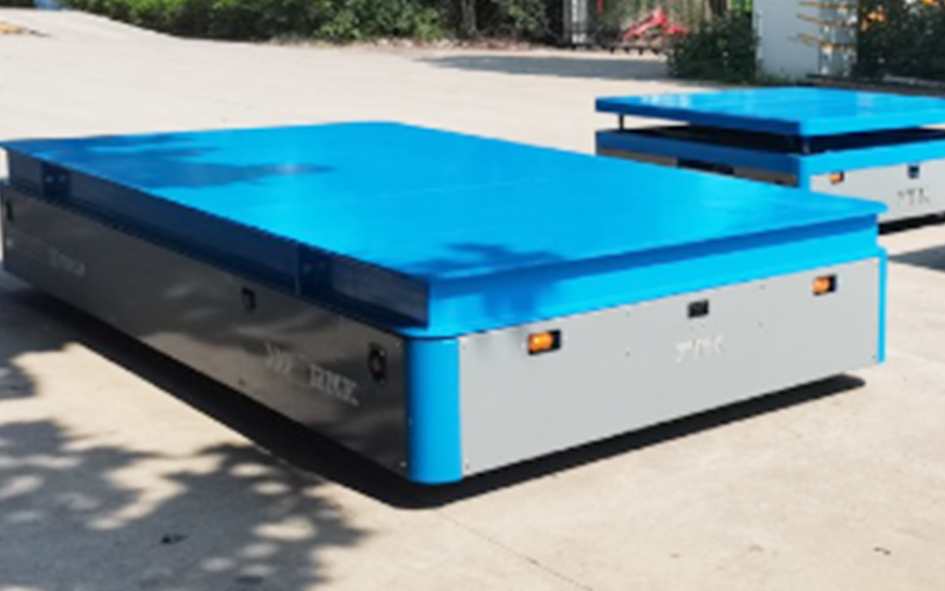
Introduction and Definition
A light-duty electric flatbed truck is a battery-powered commercial vehicle featuring an open, flat platform for cargo instead of an enclosed box . This design provides maximum versatility, allowing operators to load and unload goods of various shapes and sizes, from pallets and construction materials to oversized machinery. Designed for urban and campus environments, these trucks fill the gap between heavier commercial trucks and smaller utility vehicles . Unlike diesel or gasoline trucks, they produce zero tailpipe emissions, making them ideal for areas with strict environmental regulations or low-emission zones .
Technical Specifications
The specifications of light-duty electric flatbed trucks vary across models, catering to different operational needs. Key parameters typically include payload capacity, range, and power output.
Payload Capacity and Dimensions: One of the most critical specifications is the load capacity, which typically ranges from 1.5 to 2 tons in the light-duty segment. However, some models can handle payloads up to 5,000 lbs (approx. 2.3 tons), with heavy-duty variants extending up to 10 tons. The flatbed dimensions are designed to accommodate standard cargo, with bed lengths varying to suit specific load requirements. For instance, the DFSK EC31 offers a cargo volume of 6.7 m³ with a low loading height optimized for Euro-standard pallets. The Club Car Current, a compact model, is available in multiple bed configurations, including a flat bed option . A low loading edge, such as the 850 mm height on the FUSO eCanter, is a key ergonomic feature that facilitates manual unloading.
Powertrain and Performance: The heart of these vehicles is the electric motor and battery system. Power ratings vary, with motors delivering between 60 kW and 150 hp, providing sufficient torque for city driving and moderate inclines . For example, the DFSK EC31 features a 60 kW permanent magnet synchronous motor, while the FUSO eCanter is available with a 150 hp (110 kW) drive . Battery capacity is a primary factor determining range. Options often include lithium iron phosphate batteries (LFP), known for their safety and longevity. The DFSK EC31 has a 38.64 kWh battery offering an NEDC range of 245 km, while the FUSO eCanter S415e has a 41.3 kWh battery providing a range of up to 70 km. The Motiv EPIC4 is equipped with a 127 kWh battery for extended range.
Charging and Maneuverability: Charging infrastructure is crucial for operational efficiency. Most electric flatbed trucks support both Level 2 AC and DC fast charging. For instance, the DFSK EC31 can charge from 0 to 100% in 90 minutes using a DC fast charger, while the Motiv EPIC4 takes approximately 2.5 hours to reach 50% charge Maneuverability in tight urban spaces is another key specification. The DFSK EC31 boasts a turning radius of 4.8 meters, making it highly agile in city streets Similarly, the FUSO eCanter has a turning circle of just 12 meters, ideal for deliveries in urban residential areas.
Application Scenarios
The versatility of the flatbed design makes these electric trucks suitable for a wide range of commercial applications.
Last-Mile Delivery and Logistics: They are a natural fit for last-mile deliveries in urban areas. A prime example is the FUSO eCanter used by a German beverage retailer for home delivery. The flatbed with a sliding curtain allowed easy access from the passenger side when parked at the curb, and the low loading edge was ergonomically beneficial for the driver . This use case highlights the vehicle's suitability for stop-and-go, inner-city routes where maneuverability and zero emissions are highly valuable.
Municipal and Campus Services: Light-duty electric trucks are also ideal for municipal services, universities, and corporate campuses. The Club Car Current, a compact low-speed vehicle, is designed for such environments, capable of navigating car-free zones and providing services like grounds maintenance or cargo transport. These vehicles can be customized with accessories like ladder racks, enhancing their utility for various maintenance tasks.
Construction and Industrial Transport: Their ability to handle heavy and bulky loads makes them valuable in construction and industrial settings. Flatbed electric trucks can transport building materials, tools, and equipment around job sites and warehouses. With payload capacities reaching up to several tons, they can efficiently move items like pallets of bricks or heavy machinery components. The rugged construction of models like the Hangcha X Series, with features like an anti-collision bumper, makes them reliable for such demanding environments.
Agriculture and Retail: While primarily used in urban settings, these trucks can also be utilized in agriculture for moving produce or supplies across a farm. In retail, they can facilitate the transfer of stock between a warehouse and a storefront, especially in pedestrianized areas where larger trucks are restricted
Operational Guidelines and Usage Instructions
Operating an electric flatbed truck requires adherence to safety protocols and an understanding of its electric systems.
Safety Checks and Pre-Operation Inspection: According to safety regulations, only trained and authorized personnel should operate these vehicles. Before each use, operators must inspect the truck for any damage or malfunction. This includes checking the electrical circuits, control switches, and ensuring the travel path is clear of obstacles. For trucks that require charging, it is critical to ensure the battery is adequately charged before operation, as running on a depleted battery can significantly shorten its lifespan.
Safe Operation and Driving Practices: When operating the truck, a key feature is the electronic control of speed and direction via an accelerator knob or pedal. Operators should start slowly and sound the horn to warn nearby personnel. These trucks, especially those with rear-drive motors, have different handling characteristics than a standard car, with the rear swinging more when turning, requiring extra caution. Do not exceed the truck's rated load capacity or stack cargo higher than the recommended height (e.g., 1.5 meters for workpieces under 1m²) . Sudden starts, braking, or sharp turns must be avoided to prevent cargo from falling or the vehicle from tilting .
Parking and Charging: After work, the truck must be parked in a designated area, ideally on flat ground. Operators should cut off the power supply, remove the key, and ensure the parking brake is engaged . The charging process must be conducted in a safe environment, with open flames strictly prohibited in the charging area. When cleaning the truck, especially the electrical system, use compressed air, not water, to prevent damage.
Frequently Asked Questions (FAQ)
What is the typical range of a light-duty electric flatbed truck?
The range varies widely based on battery capacity, load weight, and driving conditions. It can range from around 57 miles (92 km) on the more compact Club Car Current to 190 km (118 miles) on the Gonow or 245 km on the DFSK EC31, with larger trucks like the Motiv EPIC4 offering up to 105 miles . Some models, like the FUSO eCanter, are designed for specific short-range tasks and offer around 70 km .
How long does it take to charge these electric trucks?
Charging times depend on the battery size and the type of charger used. Level 2 AC charging typically takes 6 to 8 hours for a full charge . DC fast charging is significantly quicker, capable of reaching 80% in about an hour and a full charge in 1.5 to 2.5 hours .
What is the payload capacity of a light-duty electric flatbed truck?
Payload capacities range from 1.5 to 3 tons for standard light-duty models, with some heavy-duty variants capable of handling up to 10 tons or more . It's crucial to check the specific Gross Vehicle Weight Rating (GVWR) of the truck to ensure compliance with local regulations.
Are there different body configurations available?
Yes, while the standard is an open flatbed, many manufacturers offer a variety of body styles. For example, the Club Car Current is available in flatbed, pickup, and van box configurations . The FUSO eCanter is offered with a flatbed tarp body, providing weather protection . Chassis cab options are also available, allowing for third-party body installation .
What are the cost benefits compared to a diesel truck?
The main cost benefits come from lower operational and maintenance expenses. Electricity is generally cheaper than diesel per mile, and electric drivetrains have far fewer moving parts, reducing maintenance on items like brakes, exhaust systems, and oil changes . This often results in significant savings over the lifetime of the vehicle.
This website uses cookies to ensure you get the best experience on our website.
 Español
 Pусский
 العربية
 Tiếng Việt



 WhatsApp
 Phone: