

Warehouse Electric Flatbed Trucks: Complete Guide to Features, Applications, and Operations
Introduction and Core Concept
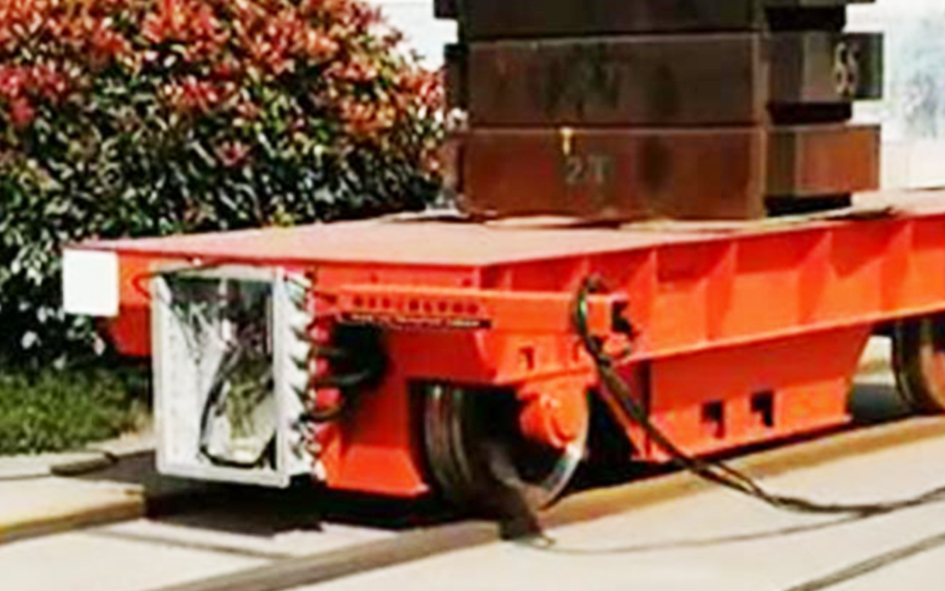
Warehouse electric flatbed trucks represent a fundamental evolution in indoor material handling, combining the practical utility of a traditional flatbed with the operational efficiency of battery-electric propulsion. These purpose-built vehicles are specifically engineered for the demanding environment of modern warehouses, distribution centers, and manufacturing facilities where the movement of heavy, bulky, or palletized goods is a continuous necessity. Unlike their outdoor or highway-capable counterparts, warehouse electric flatbed trucks are optimized for short-haul, repetitive transport tasks within confined spaces, where maneuverability, safety, and zero-emission operation are paramount.
The fundamental design philosophy behind these trucks centers on delivering maximum cargo-carrying capability within a compact footprint. The open flatbed platform provides exceptional versatility, accommodating everything from standard pallets and roll cages to oversized machinery components and custom-fixtured items. This versatility, combined with the inherently smooth and vibration-free operation of electric drivetrains, makes these trucks indispensable for facilities handling fragile goods, sensitive electronics, or high-value components that require careful transport. Furthermore, the elimination of internal combustion engines ensures zero tailpipe emissions, contributing to improved indoor air quality and eliminating the need for expensive ventilation systems that would otherwise be required to extract exhaust fumes from enclosed warehouse spaces.
The operational benefits extend beyond environmental considerations. Electric flatbed trucks deliver consistent torque across their entire speed range, providing excellent low-speed control that is essential for precise positioning at loading docks and workstations. The absence of gear changes and clutch operation simplifies driver training and reduces the physical demands on operators, leading to improved productivity and reduced fatigue during long shifts. With the growing emphasis on sustainability and worker welfare in modern logistics operations, these vehicles have become a cornerstone of efficient, responsible warehouse management.
Technical Specifications and Performance Parameters
The specification framework for warehouse electric flatbed trucks is designed to provide a comprehensive match to the diverse requirements of modern logistics environments. Understanding these specifications is essential for selecting the right truck for a particular application and ensuring optimal performance over the vehicle's service life.
Load Capacity and Platform Configuration: The rated load capacity is the primary specification, typically ranging from 1.5 tons for light-duty warehouse operations up to 5 tons for heavy industrial applications, with some specialized models capable of handling up to 10 tons. This capacity is determined by the structural design of the chassis, which is typically fabricated from high-strength steel using welded box-section construction to provide exceptional torsional rigidity and impact resistance. The platform dimensions are closely matched to the intended cargo profile, with standard widths of 1200, 1500, or 1800 millimeters to accommodate common pallet sizes, and lengths ranging from 2000 to 6000 millimeters. The platform height is maintained at a low 400 to 550 millimeters above the floor level, facilitating easy loading and unloading with manual pallet jacks or forklifts while lowering the center of gravity for enhanced stability during cornering.
Power System and Battery Technology: The power source is the heart of any electric flatbed truck, and warehouse models typically utilize 48-volt or 72-volt battery systems. Lithium-ion batteries have become increasingly prevalent due to their superior energy density, faster charging capability, and longer service life compared to traditional lead-acid alternatives. A typical lithium-ion pack with a capacity of 200 to 400 ampere-hours provides continuous operation for six to eight hours under normal working conditions, which comfortably covers a full shift without requiring mid-shift charging. The battery management system integrated into the vehicle continuously monitors cell voltages and temperatures, optimizing charging efficiency and protecting against over-discharge or over-temperature conditions that could compromise battery life.
Drive System and Motor Configuration: The drive system consists of a heavy-duty electric motor coupled to a gear reduction unit that delivers power to the drive wheels. Motors are typically rated between 3 and 10 kilowatts, with permanent magnet synchronous or AC induction designs being the most common choices. The motor's torque characteristic is particularly important for warehouse applications, where the ability to start smoothly with a full load and maneuver at very low speeds is essential. Vertical gear reducers are frequently employed to provide a compact drivetrain package that reduces the vehicle's overall footprint while delivering high torque transmission efficiency exceeding 94 percent. The drive axle may be configured as a single rear axle for smaller trucks or as a dual-axle arrangement for heavier models requiring additional traction and load distribution.
Control System and User Interface: The control system is the interface between the operator and the vehicle's mechanical and electrical systems. Advanced frequency inverters provide infinitely variable speed control, enabling smooth acceleration and deceleration that minimizes load sway and mechanical shock. The control console is ergonomically designed with intuitive operation in mind, featuring a multifunctional display that provides real-time information on battery status, operating speed, and system warnings. Emergency stop buttons are strategically positioned for immediate access, and safety interlocks prevent accidental startup or movement when the vehicle is not properly configured for operation. Many systems incorporate regenerative braking, where the motor acts as a generator during deceleration to recover energy and extend the vehicle's operating range.
Maneuverability and Dimensions: The maneuverability of a warehouse electric flatbed truck is defined by its turning radius and overall dimensions. Compact models are designed to navigate aisles as narrow as 1800 millimeters, making them suitable for high-density storage configurations where space is at a premium. The turning radius, which can range from 2000 to 4000 millimeters depending on the wheelbase and steering configuration, determines the truck's ability to navigate corners and transfer between parallel aisles. Some models are available with four-wheel steering or crab steering capabilities that allow lateral movement and 360-degree in-place rotation, providing exceptional agility in confined areas.
Environmental Adaptations: Warehouse environments present diverse challenges, and electric flatbed trucks can be configured to suit specific conditions. For cold storage facilities operating at temperatures as low as minus 25 degrees Celsius, heated battery compartments and low-temperature lubricants ensure reliable operation. For dusty environments such as cement or grain warehouses, enhanced sealing and filtration systems protect sensitive electrical components. For food processing and pharmaceutical applications, stainless steel construction and special coatings prevent contamination and facilitate easy cleaning.
Application Scenarios and Operational Use Cases
Warehouse electric flatbed trucks demonstrate their value across a broad spectrum of operational scenarios, each requiring specific capabilities and performance characteristics. Understanding these applications helps in selecting the appropriate truck configuration and optimizing warehouse workflows.
Receiving and Putaway Operations: The receiving department is often the starting point for warehouse material flow, where goods arrive from suppliers and must be moved efficiently to storage locations. Electric flatbed trucks excel in this role, transporting palletized loads from the receiving dock to the putaway staging area. The truck's ability to handle multiple pallets per trip, combined with precise positioning capability, enables rapid unloading of incoming shipments and reduces trailer turnaround time. In facilities with multiple receiving bays, a fleet of flatbed trucks can operate continuously without the interruptions associated with battery charging, as lithium-ion batteries can be opportunity-charged during brief idle periods.
Replenishment and Picking Support: As forward picking zones deplete their inventory, replenishment stock must be moved from bulk storage to the picking face. Electric flatbed trucks provide an efficient solution, carrying full pallets from reserve storage to the designated pick slot locations. The low platform height allows the truck to align directly with pallet flow racks and gravity conveyors, minimizing the manual handling required to transfer loads. In warehouses with automation systems, trucks can be equipped with wireless communication modules that receive replenishment instructions directly from the warehouse management system, optimizing routing and eliminating the need for paper-based task assignment.
Cross-Docking and Transshipment: Cross-docking operations require rapid transfer of goods from inbound to outbound transportation with minimal storage time. Electric flatbed trucks are ideal for these high-velocity operations, moving pallets from the receiving dock to the shipping staging area at speeds that support continuous material flow. The ability to operate multiple trucks simultaneously on the same floor space, without the emissions and noise of internal combustion vehicles, is particularly valuable in cross-docking facilities where workers and equipment are concentrated in a relatively small area.
Assembly Line Feeding: In warehouses physically connected to manufacturing facilities, electric flatbed trucks serve as the link between material storage and production. Components are transported from the warehouse to the assembly line in precise sequences, ensuring that the right parts arrive at the right station at the right time. The smooth acceleration and deceleration of electric trucks prevents damage to sensitive components during transport, while the ability to carry large quantities in a single trip reduces the frequency of deliveries and minimizes congestion on the production floor.
Order Consolidation and Shipping: The final stage of warehouse operations involves consolidating items into outbound shipments and staging them for loading onto trucks. Electric flatbed trucks are used to transport completed orders from the packing area to the shipping dock, where they are staged according to carrier and destination. The platform capacity supports the movement of multiple pallets at once, while the truck's stability ensures that stacked loads remain secure during transport.
Reverse Logistics and Empty Pallet Management: The efficient handling of returned goods, empty pallets, and packaging waste is an often-overlooked but essential warehouse activity. Electric flatbed trucks can be scheduled to collect empty pallets from picking zones and transport them to a dedicated return area. Similarly, rejected items and damaged goods can be moved to inspection or disposal areas without using valuable forklift time. This dedicated handling of reverse logistics keeps the warehouse organized and prevents clutter that could impede efficient operations.
Operational Guidelines and Best Practices
Safe and efficient operation of warehouse electric flatbed trucks requires adherence to established procedures and an understanding of the vehicle's characteristics and limitations. Comprehensive operator training and consistent operational practices are essential for maximizing productivity and ensuring workplace safety.
Pre-Operation Inspection: A thorough inspection should be performed at the beginning of each shift to identify any issues that could affect safe operation. The operator should visually inspect the platform for debris, oil spills, or damaged deck plates that could compromise load stability. The battery charge level should be verified using the dashboard display, and the battery connections should be checked for corrosion or looseness. Tires should be inspected for wear and proper inflation, and the hydraulic system, if equipped, should be checked for leaks. All lights, alarms, and warning devices should be tested to confirm proper function before the truck is placed into service.
Loading and Load Securement: Proper loading technique is critical for safe operation. The load should be centered on the platform, with the center of gravity aligned with the truck's midpoint to maintain stability. When transporting tall or cylindrical loads, appropriate securement devices such as chains, straps, or side rails should be used to prevent movement during travel. The load should not extend beyond the platform edges in a way that could create a collision hazard or cause the load to shift during cornering. The rated capacity must never be exceeded, and the operator should be aware that overloading can affect the truck's stability and braking performance.
Driving Techniques: Electric flatbed trucks are designed for smooth, controlled movement. Acceleration should be gradual to prevent load shifting, and deceleration should be equally gentle, utilizing regenerative braking where available to recover energy and minimize brake wear. Speed should be reduced when cornering, particularly with high or unbalanced loads, and the truck should be operated at walking speed in congested areas. The operator should maintain a clear field of vision, using the horn at intersections and when approaching pedestrian areas. Reversing maneuvers should be performed with assistance from a spotter when visibility is obstructed by the load.
Parking and Shutdown: At the end of each shift or any extended idle period, the truck should be parked in a designated area on level ground. The parking brake should be engaged, the key or control power should be turned off, and any loose items or debris on the platform should be removed. The battery should be connected to the charger following the proper sequence, and the charging process should be monitored to ensure it completes correctly.
Environmental Considerations: Temperature extremes can affect battery performance, and charging should be conducted within the recommended temperature range of 10 to 40 degrees Celsius. In cold storage environments, batteries should be fully charged when warm to ensure maximum capacity. In wet or washdown areas, the truck should be inspected for moisture ingress, and electrical connections should be kept clean and dry.
Maintenance Program and Service Intervals
Regular maintenance is essential for preserving the performance, safety, and longevity of warehouse electric flatbed trucks. A structured maintenance program reduces downtime, extends component life, and identifies potential problems before they result in failure. The maintenance schedule should be aligned with the truck's operating hours and usage intensity.
Daily Maintenance: Daily maintenance tasks are typically performed by the operator or a trained service technician at the beginning or end of each shift. The battery terminals should be inspected and cleaned if necessary, and the water level in lead-acid batteries should be checked and topped up with distilled water. The tires should be inspected for wear and damage, and any loose or missing wheel lug nuts should be tightened. The control console and all safety devices should be verified for proper operation.
Weekly and Monthly Maintenance: Weekly maintenance may include lubrication of pivot points and mechanical joints, inspection of the drive chain or belt tension, and cleaning of the battery compartment and motor cooling fans. Monthly maintenance expands to include a more thorough inspection of the braking system, steering linkage, and wheel bearings. The gear reducer oil level should be checked and topped up if needed, and all electrical connections should be inspected for corrosion or looseness.
Quarterly and Annual Maintenance: Quarterly maintenance involves more extensive service, including cleaning and regapping of motor brushes, inspection and cleaning of the contactor and switchgear, and performance testing of the battery using a hydrometer or conductance tester. Annual maintenance is typically performed by factory-trained technicians and includes a comprehensive inspection of all systems, replacement of wear items such as brake pads and brushes, and full load testing to verify the truck's performance under operational conditions.
Battery Maintenance: Battery care is critical for maximizing the service life of electric flatbed trucks. For lead-acid batteries, regular watering with distilled water is essential to prevent plate exposure and sulfation. The specific gravity should be checked periodically to verify charge state and identify cells that may be failing. For lithium-ion batteries, the battery management system performs most of these functions automatically, but periodic inspection of connections and cooling systems is still required. When replacing batteries, the new unit should be matched to the truck's specification in terms of voltage, capacity, and physical dimensions.
Frequently Asked Questions
What is the typical payload capacity of a warehouse electric flatbed truck?
Payload capacities are highly variable and are matched to the specific requirements of the application. Light-duty models typically handle 1.5 to 2 tons, making them suitable for e-commerce and light manufacturing environments. Medium-duty trucks offer capacities of 3 to 5 tons and are found in automotive parts distribution and general warehousing. Heavy-duty trucks can manage 6 to 10 tons and are used in steel service centers and heavy equipment manufacturing. Custom configurations exceeding 10 tons are available for specialized applications.
How long does a battery charge last, and what factors affect it?
The operational time per charge depends on several factors including the battery type and capacity, the load being carried, the terrain, and the driving style. A typical 48-volt lithium-ion battery with 300 ampere-hours capacity provides six to eight hours of continuous operation under normal conditions. Heavy loads, frequent starting and stopping, and operation on inclines will reduce the available operating time. Batteries should be charged at the end of each shift to prevent deep discharge, which can shorten the battery's service life.
What are the advantages of lithium-ion batteries compared to lead-acid batteries?
Lithium-ion batteries offer several significant advantages for warehouse applications. They provide higher energy density, delivering more operating time from a smaller and lighter battery pack. They charge significantly faster, with many lithium-ion systems capable of an 80 percent charge in under two hours. They have a longer service life, typically three to five times the cycle life of lead-acid batteries. Lithium-ion batteries also require no watering and produce no acid fumes during charging, reducing maintenance requirements and improving the working environment.
How are these trucks charged in a typical warehouse setting?
Charging infrastructure varies depending on the facility layout and operational requirements. Standard charging stations with proper ventilation are typically located in a dedicated charging area within the warehouse. For lead-acid batteries, battery change-out stations may be provided where depleted batteries are exchanged for fully charged units. Lithium-ion batteries can be opportunity-charged during brief idle periods using compact chargers that can be installed at multiple locations throughout the facility. Fast-charging systems are available that can provide a substantial charge in thirty minutes to one hour.
What safety features should a warehouse electric flatbed truck include?
Essential safety features include emergency stop buttons located for easy access, audible warning devices that activate when the truck is in motion, and flashing warning lights that improve visibility in busy warehouse environments. Anti-collision sensors or bumpers provide protection in the event of impact, and speed limiting controls prevent unsafe travel speeds. Parking brakes should be fail-safe design that engages automatically if the truck is parked on an incline. All safety devices should be inspected regularly and tested to ensure they are functioning properly.
How much does a warehouse electric flatbed truck cost?
The cost is determined by a combination of factors including the load capacity, battery type, control system sophistication, and any custom features specified. Higher capacity models require more robust construction and larger power systems, increasing the investment. Lithium-ion batteries command a premium over lead-acid alternatives but offer a lower total cost of ownership over the truck's service life. While the initial investment is substantial, the lower operating costs and reduced maintenance requirements of electric trucks typically result in a compelling return on investment.
What is the typical service life of a warehouse electric flatbed truck?
With proper maintenance, a warehouse electric flatbed truck can remain in productive service for ten to fifteen years. The structural frame and drive components are designed for long-term durability. Batteries may need replacement at intervals of three to five years for lead-acid and five to ten years for lithium-ion. Regular maintenance and timely replacement of wear items are essential for achieving maximum service life.
This website uses cookies to ensure you get the best experience on our website.
 Español
 Pусский
 العربية
 Tiếng Việt



 WhatsApp
 Phone: