
 Español
 Pусский
 العربية
 Tiếng Việt
Electric Flatbed Cart Production
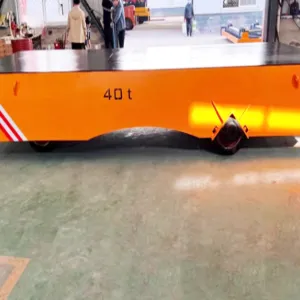
An electric flatbed cart is a practical and efficient vehicle designed for transporting goods, materials, and equipment in a wide range of industrial and commercial environments. Its production involves a combination of mechanical engineering, electrical integration, structural fabrication, and quality control to ensure safety, durability, and reliable performance. These carts are commonly used in warehouses, factories, logistics centers, airports, hospitals, and large facilities where heavy or bulky items need to be moved quickly and with minimal manual effort.The production process typically begins with product design and engineering. At this stage, engineers define the cart’s intended load capacity, dimensions, battery range, speed, turning radius, and operating conditions. The frame structure is carefully planned to provide strength while keeping the vehicle as lightweight as possible. Computer-aided design tools are often used to model the chassis, bed platform, steering system, braking components, and electrical layout. This step is essential because it determines the overall safety, stability, and usability of the final product.Material selection is another important part of production. High-strength steel or aluminum is commonly used for the frame and flatbed surface, depending on the required load and working environment. Steel offers excellent durability and load-bearing capability, while aluminum provides a lighter structure and better corrosion resistance. The chosen materials are cut, bent, welded, and assembled using modern fabrication equipment. Precision welding ensures the frame can withstand repeated use and heavy loads without deformation.The electrical system is one of the key features of an electric flatbed cart. Production includes installing the motor, battery pack, controller, wiring harness, throttle, and safety switches. Most carts use rechargeable batteries, such as lead-acid or lithium-ion systems, depending on the performance requirements. The motor is selected according to torque, speed, and efficiency needs. Wiring must be arranged neatly and securely to avoid overheating, short circuits, or damage during operation. Proper insulation and protective covers are also added to improve safety.After the main components are assembled, the cart undergoes surface treatment and finishing. Anti-rust coatings, powder painting, and protective layers are applied to improve appearance and extend service life. In addition, non-slip surfaces, bumpers, handrails, and lighting elements may be installed to enhance functionality and operator safety. Wheels or tires are fitted according to the terrain and usage environment, with options for solid rubber, pneumatic, or industrial-grade caster wheels.Quality inspection is a critical stage in production. Each cart is tested for structural strength, electrical performance, battery endurance, braking efficiency, steering response, and load stability. Manufacturers also check for noise, vibration, and overall reliability. Only products that meet the required standards are approved for delivery. This attention to quality helps ensure that the cart performs well in demanding daily operations.In conclusion, electric flatbed cart production combines durable mechanical construction with efficient electrical technology. Through careful design, material selection, assembly, and testing, manufacturers create a versatile transport solution that improves productivity and reduces manual labor in many industries.
Products
Category:
-
Electric Flatbed Truck Handlers
Category: Auxiliary and Transport ComponentsBrowse number: 146Number:Release time: 2026-07-06 10:37:06Electric flatbed truck handlers, also known as electric handling trolleys, motorized platform trucks, or powered utility vehicles, represent a vital category of material handling equipment designed to transport goods efficiently across various industrial and commercial environments. Unlike their manual counterparts that rely entirely on human strength for propulsion, electric handlers are powered by rechargeable battery systems and electric motors, significantly reducing operator fatigue while increasing productivity and load capacity. These versatile machines feature a flat platform or bed mo...
News
Category:
-
[industry news]Why Is An Electric Flatbed Cart Useful For Heavy Goods Movin...
2026-07-01 22:13:39
Case
Category:
No search results found!
Video
Category:
No search results found!
Download
Category:
No search results found!
Job
Category:
No search results found!
Featured Products
No search results found!



 WhatsApp
 Phone: