

Electric Flatbed Truck Handlers, also known as electric handling trolleys, motorized platform trucks, or powered utility vehicles, represent a vital category of material handling equipment designed to transport goods efficiently across various industrial and commercial environments. Unlike their manual counterparts that rely entirely on human strength for propulsion, electric handlers are powered by rechargeable battery systems and electric motors, significantly reducing operator fatigue while increasing productivity and load capacity. These versatile machines feature a flat platform or bed mounted on wheels, with an integrated electric drive system that provides powered movement, and in many models, powered lifting or tilting functions to facilitate loading and unloading operations.
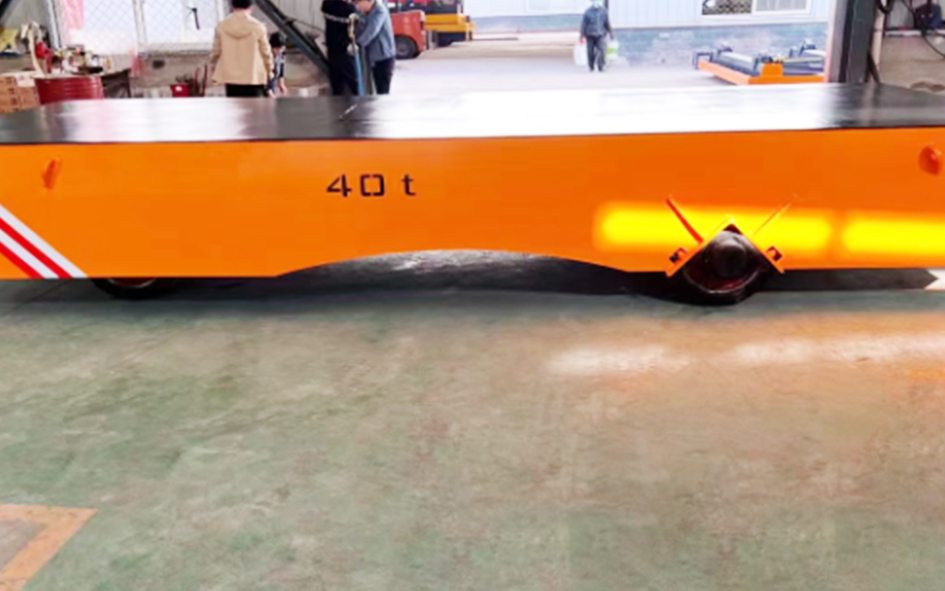
The core value proposition of electric flatbed truck handlers lies in their ability to bridge the gap between manual pallet jacks and full-sized forklifts. They offer powered assistance for moving moderate to heavy loads without requiring the extensive operator training, certification, or operational space that forklifts demand. These handlers are particularly prized for their zero-emission operation, low noise levels, ease of use, and exceptional maneuverability in confined spaces where larger equipment cannot operate effectively. The typical load capacity ranges from 250 kilograms for compact models up to 400 kilograms or more for heavy-duty variants, with some specialized units capable of handling up to several tons.
The fundamental design consists of a robust steel frame platform, a powerful yet efficient electric motor, a rechargeable battery system—often featuring advanced lithium-ion technology for extended runtime and faster charging—and an intuitive control interface that may include a tiller handle, joystick, or ergonomic control panel. Solid rubber wheels or polyurethane casters provide smooth movement across diverse surfaces including concrete floors, carpets, and even moderate uneven terrain, while advanced models may incorporate features such as scissor lifts for height adjustment, making them true multi-functional handling solutions.
Electric flatbed truck handlers are available in a range of configurations to suit different operational requirements and load handling needs. The most fundamental distinction lies between standard electric platform handlers and hydraulic lifting variants.
Standard electric platform handlers feature a fixed-height flatbed that provides powered propulsion assistance, with the operator walking alongside or behind the unit while steering via a tiller arm or handlebar. These models are ideal for moving heavy or bulky items across level surfaces where no height adjustment is required during transport. The operator benefits from electric assist for the movement while maintaining full control over the load placement and securing.
Electric hydraulic lifting flatbed handlers incorporate an integrated scissor lift mechanism that allows the platform height to be adjusted electrically, typically through a one-button operation. This feature proves invaluable for loading and unloading operations where the cart needs to match the height of workbenches, conveyor systems, or truck beds. The lifting function eliminates the need for manual lifting of heavy items, dramatically reducing the risk of back injuries and other musculoskeletal disorders. The hydraulic system, powered by the same battery pack as the drive motor, provides smooth and powerful lifting even under maximum load.
Within these broad categories, models are further distinguished by their load capacity, which ranges from light-duty units handling approximately 250 kilograms to heavy-duty industrial handlers with capacities exceeding 500 kilograms. Battery technology also differentiates models, with lithium-ion batteries increasingly favored for their lighter weight, longer lifespan, faster charging times, and superior energy density compared to traditional lead-acid alternatives. Some models offer swappable battery systems, enabling continuous operation by exchanging depleted batteries for fully charged units without interrupting workflow.
Control configurations vary as well, from basic tiller-operated units with simple speed and direction controls to advanced models featuring ergonomic control panels with one-handed operation, variable speed control, and integrated safety features. The wheel design impacts maneuverability and surface compatibility, with swivel casters providing exceptional agility in tight spaces while fixed directional wheels offer better straight-line stability. Pneumatic tires are available for outdoor or rough terrain applications, providing shock absorption and improved traction, though solid rubber tires remain the most common choice for indoor industrial environments.
Electric flatbed truck handlers find application across an exceptionally diverse range of industries and operational contexts, each presenting unique demands and challenges.
In warehousing and logistics centers, these handlers are indispensable for moving pallets, cartons, and oversized items between receiving docks, storage areas, picking zones, and shipping bays. Their compact footprint allows them to navigate narrow aisles where forklifts cannot operate, while their electric drive enables quiet, emission-free operation that complies with indoor air quality requirements. The ability to handle loads up to several hundred kilograms makes them suitable for moving everything from individual appliance units to palletized goods, significantly increasing throughput while reducing physical demands on warehouse staff.
Manufacturing facilities rely heavily on electric flatbed handlers to transport raw materials from storage to production lines and to move finished assemblies to quality inspection or packaging areas. The low vibration and smooth acceleration of electric handlers are particularly beneficial when carrying delicate components such as electronic assemblies, glass products, or precision machined parts. In operations where material movement directly impacts production quality and progress, these handlers ensure consistent and efficient logistics. The handlers' ability to precisely position loads at workstations eliminates the need for manual carrying or repositioning, streamlining production flow.
In the retail sector and large commercial spaces, electric flatbed handlers are used for back-of-house logistics, such as moving bulk inventory from receiving rooms to stockrooms or transporting furniture, appliances, and supplies within large stores and convention centers. Their quiet operation ensures that customer experiences are not disrupted, while their clean electric drive eliminates the risk of fuel or oil spills that could damage floor surfaces. Some models are compact enough to fit into elevators, making them suitable for multi-story retail operations.
Healthcare and institutional facilities utilize these handlers for distributing linens, meals, medical supplies, and equipment across sprawling hospital complexes. The handlers' non-marking tires and precise control are essential for maintaining sanitary conditions and avoiding damage to sensitive flooring. The zero-emission operation is particularly valued in healthcare environments where air quality is critical for patient well-being.
Construction sites and home renovation projects benefit from electric handlers for moving heavy materials such as construction supplies, appliances, or furniture. Certain models are designed to be portable enough to accompany service vehicles, providing on-site material handling capability that reduces labor costs and speeds up project completion. The ability to handle substantial loads makes these handlers practical for moving everything from building materials to household furniture during moves or renovation projects.
Heavy industry applications, including steel mills, foundries, and heavy fabrication plants, use specialized electric flatbed handlers for transporting large components and materials across production floors. These handlers must withstand harsh conditions including high temperatures, heavy debris, and challenging operating environments. The robust construction and reliable electric drive systems ensure consistent performance even under extreme demands.
Proper operation of electric flatbed truck handlers is essential for safety, efficiency, and equipment longevity. Adhering to established procedures protects operators, personnel, and the equipment itself.
Before each shift, operators must perform a thorough pre-operation inspection to ensure the handler is in good working condition. This critical step is a prerequisite for safe operation and should never be skipped.
Operators should begin by inspecting the flatbed platform to verify it is clean and free of debris, damage, or any obstructions that could compromise safety during loading and transport. The platform surface should be checked for cracks, bent edges, or signs of excessive wear. The wheels and casters require careful inspection for wear, damage, or embedded debris that could affect movement. Tire pressure should be checked for pneumatic models, and all wheels should rotate smoothly without binding.
The battery system demands particular attention. Operators must verify that the battery is sufficiently charged for the planned operations and inspect for any signs of damage, leakage, or loose connections. For lithium-ion batteries, the charge level indicator should be checked, and any warning lights should be noted. The braking system must be tested to ensure it responds properly and provides smooth, reliable stopping power. Engaging and disengaging the parking brake should confirm its effectiveness.
For hydraulic lifting models, the lift mechanism should be tested without a load to ensure it raises and lowers smoothly without hesitation or abnormal noise. Any signs of hydraulic fluid leakage should be immediately addressed. The control panel or handle should be checked for proper function, including speed controls, direction switches, and any auxiliary functions. Horns or audible warning devices must be tested to confirm they are operational.
Proper loading technique is fundamental to stable transport and safe operation. The load must never exceed the handler's rated capacity, which is typically clearly marked on the equipment. Overloading places excessive strain on the motor, transmission, and braking systems, leading to premature wear and potential failure, while also compromising stability and controllability.
The weight should be evenly distributed across the platform, with the heaviest items placed in the center to maintain a low center of gravity. Uneven distribution can cause the handler to become unstable during transport, significantly increasing the risk of tipping or load shifting. For handlers with lifting capability, the load should be lowered to its lowest transport position before moving to maximize stability. Items should be placed gently onto the platform to avoid impact damage to both the load and the equipment. Dropping loads can cause damage to the platform, wheel assemblies, or hydraulic system.
All loads must be securely fastened before any movement occurs. Straps, ropes, bungee cords, or specialized securing devices should be used to prevent shifting during transport. The securing method should be appropriate for the load type; cylindrical items require V-shaped blocks or side supports to prevent rolling, while rectangular profiles benefit from high-strength straps with multiple attachment points. The securing tension should be adequate to prevent movement but not so tight as to damage the items. Operators should confirm that the load does not obstruct their view or interfere with the control interface. If visibility is compromised, additional precautions such as using a spotter or rearview mirrors are necessary.
Once loaded and secured, the handler should be operated with care and attention to safety. Starting should be smooth and gentle, gradually increasing speed as the operator becomes comfortable with the handler's handling characteristics. Abrupt acceleration or sudden braking must be avoided, as these actions can destabilize the load and cause shifting or damage.
Operators must maintain constant awareness of their surroundings. The travel path should be checked for obstacles, pedestrians, and other vehicles before movement commences. When navigating corners or turning, the handler should be slowed down significantly, taking wide turns to prevent tipping. The turning radius should be considered, especially when maneuvering in confined spaces or around obstacles.
For models requiring walk-behind operation, the operator should maintain a safe position to the side of the handler, never stepping directly in front of or under the load. Operators are strictly prohibited from standing or riding on the platform, as this poses a serious safety hazard. When carrying long loads that obstruct visibility, arranging for a spotter or using guidance technology is essential to avoid collisions or accidents.
When approaching the end of the travel path or a destination, the operator should reduce speed in advance and use controlled, gentle braking to bring the handler to a stop. Sudden stops can cause the load to slide forward due to inertia, potentially causing injury or damage. The parking brake must be engaged whenever the handler is stopped for unloading or any other reason to prevent unintended movement.
For handlers equipped with hydraulic lifting, the lift operation should be performed only when the handler is stationary and braked. The load should be raised or lowered smoothly and evenly, avoiding jerky movements that could destabilize the load or damage the hydraulic system. The lift height should be appropriate for the task and should not exceed the manufacturer's specified maximum.
After completing transport and unloading, proper post-operation procedures ensure the handler remains in good condition and ready for future use. The handler should be moved to a designated parking area on level ground, away from traffic lanes and pedestrian areas. The parking brake must be engaged, and the power should be turned off. For battery-powered models, the battery should be connected to the charger according to the manufacturer's guidelines to ensure it is fully charged for the next shift.
The handler should be cleaned after each use to remove debris, dust, or residues that could affect performance or cause damage. The platform should be wiped down, and the wheels should be checked for accumulated dirt or debris that could impair movement. Regular maintenance tasks include checking and lubricating moving parts, inspecting bolts and fasteners for tightness, and testing all safety devices for proper function. For models with hydraulic systems, fluid levels should be checked regularly, and any signs of leakage should be addressed immediately.
Battery maintenance is critical for maximizing lifespan and ensuring reliable performance. For lead-acid batteries, regular watering is required to maintain electrolyte levels, and terminals must be kept clean and free of corrosion. Lithium-ion batteries require minimal maintenance but should be charged using the correct charger and protocol, and deep discharges should be avoided to prevent damage. The battery should be stored in a cool, dry location when the handler is not in use for extended periods.
Common Issues and Troubleshooting
Despite their robust construction and reliable design, electric flatbed truck handlers may experience operational issues that require prompt attention.
Handler failure to move is one of the most common problems. This often indicates a depleted battery, requiring charging or battery replacement. Other potential causes include a tripped circuit breaker, a disconnected or damaged battery cable, a faulty accelerator sensor, or an engaged emergency stop button that has not been reset. Operators should first check the emergency stop button and battery connections before seeking technical support.
Motor overheating or unusual noise from the drive system warrants immediate investigation. This may result from overloading, operating on excessive inclines, or prolonged continuous use without cooling periods. The solution involves reducing the load, allowing the handler to cool, or adjusting operating patterns. If abnormal noise persists, professional inspection of the motor and drivetrain components is necessary.
Hydraulic lift failure or sluggish lifting in models equipped with scissor lifts typically indicates low hydraulic fluid levels, a leaking hydraulic cylinder, or a faulty hydraulic pump. The fluid level should be checked and topped up if necessary, and the system should be inspected for visible leaks. If the problem persists despite fluid maintenance, professional service is required.
Brake issues, such as reduced stopping power or brake drag, can result from worn brake pads or discs, improper adjustment, or contamination of braking surfaces. The braking system should be inspected regularly, and worn components should be replaced promptly. Contamination can often be cleaned, but persistent issues require professional attention.
Battery performance degradation is a frequent concern, particularly with older units. Reduced runtime or sluggish performance often indicates aging or poorly maintained batteries. For lead-acid batteries, regular watering and equalization charging can extend life. Lithium-ion batteries that show significant capacity loss may require replacement after their typical lifespan of eight to ten years. Battery management should include regular charge-discharge cycles, proper storage, and adherence to manufacturer charging protocols.
Electric flatbed truck handlers are indispensable tools in modern material handling, offering a balance of power, efficiency, and versatility that improves productivity while reducing physical demands on workers. Their range of models and configurations ensures there is a suitable solution for applications from warehousing and manufacturing to healthcare and construction. By understanding the various types, operating them according to established safety procedures, and performing regular maintenance, organizations can maximize the return on investment and ensure years of reliable service. As battery technology continues to advance and control systems become more sophisticated, these handlers will play an increasingly central role in the ongoing evolution of efficient, safe, and sustainable material handling operations. Their ability to combine the simplicity of manual equipment with the power of electric drive makes them a uniquely valuable asset in the modern logistics landscape.
This website uses cookies to ensure you get the best experience on our website.
 Español
 Pусский
 العربية
 Tiếng Việt



 WhatsApp
 Phone: