

Electric flatbed trucks, also known as electric utility vehicles, battery-powered platform trucks, or electric haulers, have become indispensable across a vast spectrum of industries due to their unique combination of efficiency, cleanliness, and versatility. These vehicles, characterized by their flat, open loading platform and electric drive systems, serve as the workhorses of internal logistics, transporting everything from raw materials andfinished goods to heavy equipment and supplies. Unlike their internal combustion counterparts, electric flatbed trucks produce zero tailpipe emissions, operate with minimal noise, and have significantly lower maintenance requirements, making them ideal for indoor and environmentally sensitive applications.
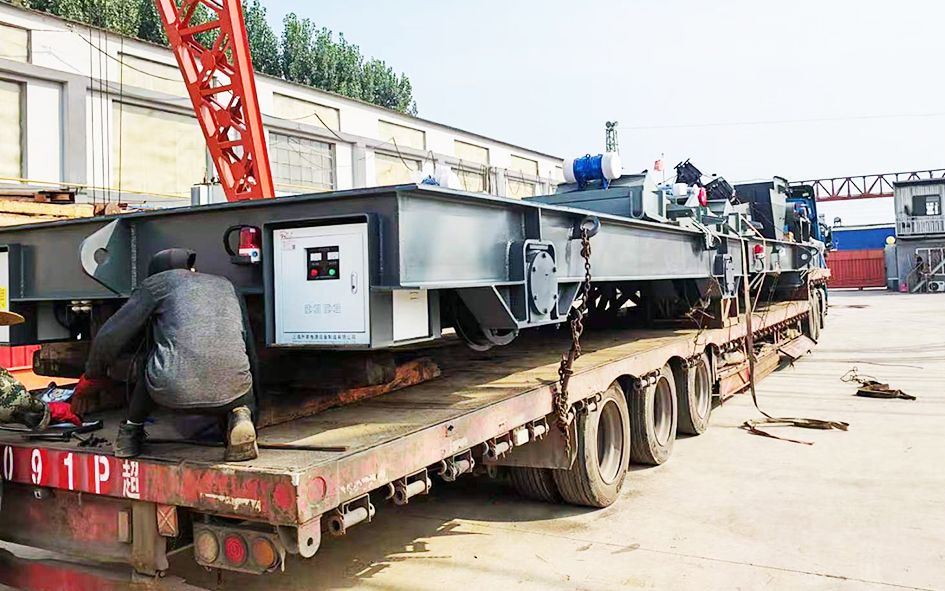
The fundamental utility of an electric flatbed truck lies in its simplicity and adaptability. The flat platform provides a versatile loading surface capable of accommodating a wide variety of cargo shapes and sizes, from palletized goods and machinery to loose materials and oversized components. The electric powertrain delivers smooth, consistent power, enabling these trucks to handle substantial loads—typically ranging from 500 kilograms to over 5,000 kilograms—while maintaining precise control and maneuverability. Their compact design and tight turning radius allow them to operate efficiently in confined spaces where larger vehicles cannot navigate.
The use cases for electric flatbed trucks are remarkably diverse, spanning industrial, commercial, institutional, and even agricultural sectors. Each application leverages the unique characteristics of these vehicles to solve specific material handling challenges, improve operational efficiency, and enhance workplace safety. Understanding these use cases provides valuable insight into the breadth of their capabilities and helps organizations identify opportunities to integrate electric flatbed trucks into their own operations.
Manufacturing and Industrial Use Cases
In manufacturing environments, electric flatbed trucks serve as essential links in the production chain, enabling the smooth flow of materials between different stages of the manufacturing process. Their applications are as varied as the industries they serve.
In automotive manufacturing, these trucks transport heavy components such as engines, transmissions, and body panels from storage areas to assembly lines. The precise control and smooth acceleration of electric drive systems are particularly valuable when handling delicate or high-value components that could be damaged by rough handling. Workers can position loads with millimeter accuracy at workstations, eliminating the need for manual lifting and reducing the risk of ergonomic injuries.
Heavy machinery manufacturing relies on electric flatbed trucks to move large subassemblies, castings, and fabricated parts across sprawling production floors. The high load capacities of industrial-grade models—sometimes exceeding 5,000 kilograms—enable the transport of massive components that would be impractical to move by other means. The low-profile design of many models allows for easy loading using overhead cranes or forklifts, streamlining the production workflow.
In electronics manufacturing, the clean, vibration-free operation of electric flatbed trucks is critical for transporting sensitive components and assemblies. Unlike internal combustion vehicles that produce exhaust and vibrations, electric trucks maintain the pristine environment required for handling delicate electronic parts. The absence of emissions is also essential for maintaining air quality in cleanroom environments where particle contamination must be strictly controlled.
In the aerospace sector, electric flatbed trucks are used to transport aircraft components, tooling, and maintenance equipment across hangars and assembly facilities. The precision control of electric drive systems enables careful positioning of expensive and sensitive parts, while the zero-emission operation is essential for maintaining the strict cleanliness standards required in aircraft assembly.
Warehousing and Logistics Use Cases
Warehousing and distribution centers represent one of the largest application areas for electric flatbed trucks, where they support the efficient movement of goods through the supply chain.
In large-scale warehouses, these trucks are used for cross-docking operations, where incoming goods are quickly transferred from receiving docks to outbound shipping areas. The flatbed configuration allows for the rapid loading and unloading of various cargo types, including pallets, cartons, and oversized items. The electric drive enables high-speed movement between docks, increasing throughput and reducing turnaround times.
Order picking and consolidation operations benefit from the versatility of electric flatbed trucks. Workers can place multiple orders onto a single truck, consolidating items from different storage zones before transporting them to packing or shipping areas. The ability to handle mixed loads—including items of varying sizes, weights, and shapes—makes these trucks ideal for e-commerce fulfillment centers where order diversity is high.
In cold storage warehouses, electric flatbed trucks provide reliable performance in low-temperature environments without the emissions issues that would make internal combustion vehicles unsuitable. The sealed electric components and specialized batteries ensure dependable operation even in freezing conditions, while the absence of exhaust prevents contamination of food products.
Automated warehouses often incorporate electric flatbed trucks as part of their material handling systems, with some models equipped with guidance systems that allow them to navigate predetermined paths without operator intervention. These autonomous trucks integrate with warehouse management systems, enabling seamless material flow and reducing the need for manual labor.
Retail and Commercial Use Cases
Retail operations and commercial facilities utilize electric flatbed trucks to support back-of-house logistics, enhancing efficiency while maintaining the customer-friendly environment essential for retail success.
Large retail stores, including home improvement centers and department stores, use electric flatbed trucks to restock shelves from backroom storage areas. The ability to transport bulk quantities of merchandise directly to the sales floor reduces the frequency of restocking trips and minimizes disruption to customer shopping experiences. The quiet electric operation ensures that restocking activities do not disturb customers.
Convention centers and exhibition halls employ electric flatbed trucks to move equipment, displays, and supplies across expansive event spaces. The flat platform accommodates large exhibition panels, promotional materials, and audiovisual equipment, while the maneuverability of electric trucks allows them to navigate crowded exhibition floors and tight corridors.
Hospitality venues, such as hotels and resorts, use electric flatbed trucks for logistical support, including moving linens, furniture, and equipment between laundry facilities, guest rooms, and event spaces. The clean, quiet operation preserves the guest experience, while the load capacity enables efficient transport of bulk supplies.
Shopping malls and commercial complexes utilize electric flatbed trucks for facility maintenance operations, transporting cleaning equipment, supplies, and maintenance tools across large buildings. The compact size of many models allows them to navigate service corridors and elevators, providing access to all areas of the facility.
Healthcare and Institutional Use Cases
Healthcare facilities and institutions require material handling solutions that prioritize cleanliness, quiet operation, and reliability—qualities that make electric flatbed trucks particularly well-suited to these environments.
Hospitals use electric flatbed trucks to distribute linens, meals, medical supplies, and equipment across sprawling medical campuses. The zero-emission operation ensures that air quality is maintained in patient care areas, while the quiet electric drive minimizes noise that could disturb patients. The non-marking tires are essential for preserving sensitive flooring surfaces, including specialized healthcare flooring systems.
In large hospital settings, electric flatbed trucks are used to transport bulk supplies from central storage areas to nursing units, operating rooms, and emergency departments. The ability to handle heavy loads, such as cases of intravenous fluids, packaged medical devices, and surgical supplies, reduces the number of trips required and improves overall supply chain efficiency.
Universities and research institutions utilize electric flatbed trucks to move laboratory equipment, computers, furniture, and supplies across their campuses. The versatility of the flatbed platform accommodates a wide range of items, from delicate laboratory instruments to bulk furniture shipments. The quiet operation prevents disruption in academic and research environments.
Government facilities, including municipal buildings and military installations, use electric flatbed trucks for a variety of logistical tasks, including moving supplies, equipment, and materials between buildings and departments. The durability and reliability of these vehicles ensure consistent performance in demanding institutional environments.
Construction and Heavy Industry Use Cases
Construction sites and heavy industrial operations present unique challenges that electric flatbed trucks are well-equipped to address, despite the predominance of heavy equipment in these sectors.
On construction sites, electric flatbed trucks are used to transport building materials, tools, and equipment across the job site. Their ability to navigate uneven terrain, when equipped with appropriate tires and suspension, makes them valuable for distributing materials to various work areas. The electric drive provides consistent torque for moving heavy loads even on mild inclines, while the zero-emission operation is beneficial in enclosed or partially enclosed construction areas.
In steel fabrication plants, electric flatbed trucks transport structural steel members, welding equipment, and finished assemblies across production floors. The high load capacities of industrial models enable the movement of substantial steel components, while the precise control assists with positioning for welding and assembly operations.
Heavy equipment maintenance and repair facilities use electric flatbed trucks to move replacement parts, tools, and test equipment to maintenance bays. The ability to transport heavy components, such as pumps, compressors, and drive units, streamlines maintenance processes and reduces the time required for repairs.
Mining and mineral processing operations, while heavily reliant on specialized equipment, also use electric flatbed trucks for internal logistics, transporting supplies, parts, and materials across processing facilities. The durable construction of industrial models enables reliable performance in challenging environments.
Agricultural and Outdoor Use Cases
Agricultural operations and outdoor facilities benefit from the versatility of electric flatbed trucks, particularly in applications where the combination of load capacity and environmental sensitivity is important.
Nurseries and greenhouses use electric flatbed trucks to transport potted plants, soil, fertilizers, and tools across growing areas. The quiet operation prevents stress to plants, while the zero-emission operation ensures that sensitive crops are not exposed to harmful exhaust gases. Some models are equipped with specialized flatbeds that accommodate plant trays and containers.
Landscaping operations utilize electric flatbed trucks to move materials such as mulch, stone, and pavers across job sites. The load capacity enables efficient transport of bulk landscaping materials, while the maneuverability allows access to confined work areas. The low ground clearance and non-marking tires minimize damage to existing landscaping features.
Sports facilities, including stadiums and golf courses, use electric flatbed trucks to transport maintenance equipment, supplies, and materials across large properties. The quiet operation allows work to be performed during events without disturbing spectators, while the durability ensures reliable performance in outdoor conditions.
Event venues use electric flatbed trucks for outdoor events and festivals, moving equipment, supplies, and waste materials across event sites. The flexibility of the flatbed platform accommodates a diverse range of items, from stage equipment to concessions supplies.
Usage Instructions Across Use Cases
While specific procedures may vary based on the application and environment, several universal principles apply to the safe and effective use of electric flatbed trucks across all use cases.
Pre-operation inspection is essential, with operators checking the flatbed platform for damage or debris, verifying tire pressure and condition, ensuring the battery is adequately charged, and testing all control functions including the horn, lights, and braking system. For load-bearing operations, the platform should be inspected for structural integrity, and any signs of damage should be reported immediately.
Loading procedures require careful attention to weight distribution and securing techniques. The load should be evenly distributed across the platform, with heavier items centered and positioned as low as possible to maintain stability. For uneven or irregular loads, appropriate securing devices such as straps, chains, or side rails should be used to prevent shifting during transport. Operators should verify that the total load does not exceed the truck's rated capacity, as overloading compromises safety and equipment performance.
During transport, operators must maintain a safe speed appropriate for the environment, load characteristics, and visibility. Corners should be taken slowly and with adequate clearance, and stops should be smooth to prevent load shifting. In pedestrian areas, operators should use audible warnings such as horns or bells to alert others to the truck's presence.
Post-operation procedures include parking the truck in a designated location, engaging the parking brake, turning off the power, and connecting the battery to the charger if necessary. The truck should be cleaned and inspected after each use, with any issues documented and reported for maintenance attention.
Common Issues and Troubleshooting
Across the diverse use cases for electric flatbed trucks, certain operational issues recur and require systematic troubleshooting.
Insufficient power or reduced speed is a common issue that may indicate a low battery charge, requiring immediate charging. In some cases, this symptom may also suggest motor overheating, controller malfunction, or internal component damage. Operators should first check the battery level and connections before investigating further.
Battery charging problems are frequent concerns, particularly as batteries age. The charging indicator may fail to respond, or the charger may not function despite being connected. This issue typically points to a faulty battery, a damaged charger, or a problem with the charging port. Regular testing of both charger and battery condition can prevent unexpected downtime.
Uneven operation or vibration can result from a variety of causes including loose wheel bolts, worn bearings, flat spots on tires, or debris caught in moving parts. This issue is typically accompanied by increased noise and may worsen if not addressed. Operators should inspect wheels and undercarriage for visible issues and perform a quick cleaning to remove any debris.
Sudden braking issues may be caused by worn brake pads, hydraulic fluid leaks in hydraulic braking systems, or damage to brake lines. This safety-critical issue requires immediate professional attention and the truck should be taken out of service until repaired.
Electrical control issues can manifest as unresponsive controls or intermittent operation, often due to moisture or dirt affecting the control panel, loose wiring connections, or a failing controller. In many cases, drying and cleaning the control unit or checking the wiring harness can resolve the issue.
Tire issues, including puncture, excessive wear, or uneven wear patterns, can significantly affect performance and safety. Pneumatic tires should be maintained at the correct pressure, and solid rubber tires should be inspected for damage. Uneven wear may indicate misalignment or overloading, requiring assessment of operating conditions.
Conclusion
The use cases for electric flatbed trucks span virtually every sector of the economy, from heavy industry and manufacturing to healthcare and agriculture. Their unique combination of clean, quiet, electric power, versatile flatbed platform, and high load capacity makes them invaluable tools for internal material handling across countless applications. Understanding the diverse use cases enables organizations to identify opportunities for integration, optimize operations, and maximize the return on investment in this essential equipment. By following appropriate usage instructions, performing regular maintenance, and addressing common issues promptly, users can ensure reliable performance and longevity from their electric flatbed trucks, supporting efficient and sustainable operations across all applications.
This website uses cookies to ensure you get the best experience on our website.
 Español
 Pусский
 العربية
 Tiếng Việt



 WhatsApp
 Phone: