
 Español
 Pусский
 العربية
 Tiếng Việt
Loading and Unloading of Electric Flat Carts
Certainly — here is a ~500-word English description of Loading and Unloading of Electric Flat Carts without any company names:---Loading and Unloading of Electric Flat CartsElectric flat carts are widely used in factories, warehouses, workshops, and logistics centers for transporting heavy materials over short distances. The process of loading and unloading these carts is an important part of daily operations because it directly affects efficiency, safety, and equipment performance. Proper handling ensures that goods are moved smoothly while reducing the risk of damage to products, equipment, and workers.Before loading begins, the operator should inspect the electric flat cart to make sure it is in safe working condition. This includes checking the battery level, brakes, wheels, control system, and the platform surface. The loading area should be flat, clean, and free from obstacles. If the cart is designed to carry a specific weight, the operator must confirm that the planned load does not exceed the rated capacity. Overloading may cause mechanical failure, shorten the service life of the cart, and create serious safety hazards.During loading, goods should be placed evenly on the platform to maintain balance. Uneven loading can cause instability, making the cart harder to control and increasing the chance of tipping. Heavy items should be positioned at the center of the platform, while lighter materials can be arranged around them. If necessary, pallets, containers, or securing straps can be used to keep the load stable during movement. Workers should use proper lifting tools or mechanical devices when handling heavy or bulky items to avoid injury. Direct manual lifting should be minimized whenever possible.After the goods are loaded, the operator should check again to ensure the load is secure and properly distributed. The cart should then be moved carefully to the destination at a safe speed. Sudden starts, sharp turns, and abrupt stops should be avoided, especially when carrying fragile or unstable materials. In crowded areas, the operator should sound a warning if the cart is equipped with a horn or alert device. Safe driving practices are essential to prevent accidents and protect surrounding workers.Unloading should also be carried out in a controlled manner. Before unloading, the cart must be brought to a complete stop in the designated area. The operator should make sure the surface is level and there is enough space for handling the materials. The load should be removed gradually and evenly to prevent the cart from becoming unbalanced. If the materials are heavy, workers should use appropriate equipment such as forklifts, hand trucks, or lifting platforms. Careless unloading may damage the goods or cause the cart to shift unexpectedly.After unloading, the cart should be inspected for any signs of wear, damage, or abnormal performance. The platform should be cleared of debris, and the cart should be parked in the proper location. Regular maintenance and correct operating procedures help extend the life of the electric flat cart and improve workplace efficiency.In conclusion, loading and unloading electric flat carts require careful planning, proper technique, and strict attention to safety. By following correct procedures, businesses can ensure smooth material handling, reduce accidents, and improve overall productivity.---If you want, I can also rewrite this into:1. a more formal technical style, 2. a simpler easy-English version, or 3. a product introduction style.
Products
Category:
-
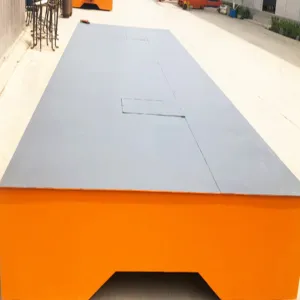
Loading and Unloading of Electric Flat Carts
Category: Auxiliary and Transport ComponentsBrowse number: 141Number:Release time: 2026-07-06 10:18:27The loading and unloading of electric flat carts represent some of the most critical and potentially hazardous phases in the material handling workflow. These operations involve the transfer of goods onto and off the flat platform of an electric cart, whether it is a rubber-tired utility vehicle or a rail-guided industrial trolley. The efficiency, safety, and success of these activities directly impact overall productivity, equipment longevity, and worker well-being. Unlike the transport phase, where the cart moves along a predetermined path, loading and unloading require precise coordination...
News
Category:
No search results found!
Case
Category:
No search results found!
Video
Category:
No search results found!
Download
Category:
No search results found!
Job
Category:
No search results found!
Featured Products
No search results found!



 WhatsApp
 Phone: