

The Heavy-Duty Plate Feeder is an essential piece of equipment in the coal mining industry, serving as the critical link between the raw coal storage system and the primary processing facilities. In the demanding environment of a coal mine, where material characteristics can vary dramatically from fine dust to large, irregular lumps, the plate feeder provides a reliable and controlled method of extracting coal from storage bins or hoppers and delivering it to crushers, screens, or conveyor systems. The term "heavy-duty" is particularly apt in this context, as the equipment must withstand the severe abrasion, impact, and constant operational stress that are inherent in handling raw coal.
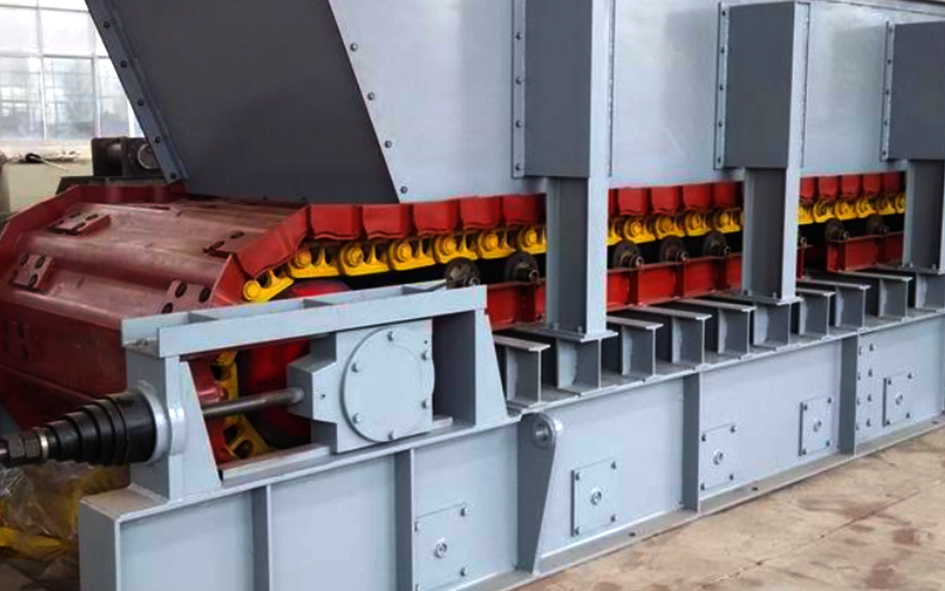
The fundamental purpose of a plate feeder in coal mining is to ensure a uniform and regulated flow of material. Without such a feeder, the discharge from a storage bin would be erratic, potentially causing blockages, uneven loading on downstream equipment, and significant variations in processing efficiency. The plate feeder accomplishes this through a reciprocating action. A heavy steel plate, positioned at the bottom of a coal storage hopper, moves back and forth in a controlled manner. On the forward stroke, the plate carries a layer of coal forward; on the return stroke, it slips back, allowing more coal to settle from above. This creates a steady, metered discharge that is essential for optimizing the performance of crushers and other processing machinery.
The selection of a plate feeder for coal mining applications is driven by the unique properties of coal as a bulk material. Raw coal can be highly abrasive due to the presence of rock inclusions and pyrite. It can also have a high moisture content, making it sticky and prone to bridging or clogging in hoppers. The large lump size, sometimes exceeding several hundred millimeters, generates significant impact forces when falling onto the feeder. A heavy-duty plate feeder, with its massive construction, low operating speed, and robust drive system, is specifically designed to cope with these challenges. Its positive displacement action ensures that material is forced forward regardless of its cohesiveness, making it far more reliable for sticky or wet coal than other feeder types.
Design Features Adapted for Coal Mining
The design of a Heavy-Duty Plate Feeder For Coal mining incorporates several specific features that distinguish it from feeders used in other industries. These features are focused on enhancing durability, reducing maintenance, and ensuring reliable operation in the harsh conditions of a coal mine. The primary structural element is the heavy main frame, fabricated from thick steel plate and reinforced to withstand the high stresses imposed by the weight of the coal column above. This frame must also absorb the impact forces of large lumps of coal dropping from the hopper without distortion.
The feeder pan itself is a critical component. It is constructed from heavy, abrasion-resistant steel plate, often with a thickness of twenty to forty millimeters, depending on the application. The surface of the pan is typically fitted with replaceable wear liners. In coal mining, the wear liners are often made from high-chrome iron or other specialized wear-resistant alloys. These liners are segmented and bolted to the pan, allowing for easy replacement when they become worn, which extends the life of the base pan. The design of the pan edges often includes raised side skirts to prevent coal from spilling over the sides during the reciprocating motion. These skirts are also fitted with wear liners to protect them from abrasion.
The drive system for a coal mining plate feeder is engineered for extreme reliability and high torque. It typically consists of a heavy-duty electric motor, a large reduction gearbox, and a robust crank mechanism. The motor is often a high-torque, low-speed design, which is particularly suitable for the intermittent, high-resistance loads encountered when feeding coal. The gearbox is designed with a high reduction ratio to convert the high-speed motor rotation into the low-speed, high-torque output required to move the heavily loaded plate. The crank mechanism, which converts the rotary motion into reciprocating motion, is built with heavy-duty bearings and shafts. The connecting rods are massive steel forgings, designed to withstand the extreme tensile and compressive forces generated during operation.
Lubrication is a critical aspect of the design. In a coal mining environment, dust and fine coal particles are pervasive. These particles can penetrate and damage bearings and other moving parts if proper sealing and lubrication are not provided. Therefore, the feeder is equipped with a centralized lubrication system that delivers the correct amount of grease or oil to all critical points, including the crank bearings, the support Rollers, and any pivot points. The seals used on these components are of the highest quality to prevent the ingress of dust and moisture. Some designs also incorporate automatic lubrication systems that provide a continuous supply of lubricant while the feeder is operating, ensuring that the components remain protected even under the most demanding conditions.
Application Scenarios
The heavy-duty plate feeder is used in several distinct application scenarios within the coal mining industry. Each scenario presents its own unique challenges and requires the feeder to perform a specific function. In each case, the feeder plays a vital role in ensuring the smooth and efficient operation of the overall mining and processing system.
Run-of-Mine Coal Feeding: The most demanding application is the feeding of run-of-mine coal from a primary dump hopper to the primary crusher. At this stage, the coal is in its raw state, containing large rocks, lumps, and contaminants. The material is often dumped directly from haul trucks into a receiving hopper that feeds the plate feeder. The feeder must be able to handle the massive impact of these large lumps falling from a height. Its slow reciprocating action ensures that the material is fed to the crusher at a controlled rate, preventing the crusher from being overloaded or choked. The uniform feed provided by the plate feeder is essential for maximizing the throughput and efficiency of the primary crusher, as a consistent feed allows the crusher to operate at its optimum setting.
Feed to Secondary Crushers and Screens: After the primary crushing stage, the coal is often further processed in secondary and tertiary crushers and then screened to separate it into different size fractions. Plate feeders are also used in these downstream stages. For example, a plate feeder may be used to extract coal from a surge bin or stockpile and feed it to a secondary cone crusher or a heavy-media separation plant. In these applications, the material is typically smaller than run-of-mine coal, but it is still abrasive and can be difficult to handle. The plate feeder's ability to provide a controlled feed is critical for maintaining the efficiency of the downstream equipment. An uneven feed to a screen, for instance, can reduce its separation efficiency, while an uneven feed to a crusher can lead to increased wear and reduced product quality.
Feeding Coal to Washing and Processing Plants: Coal washing plants, also known as preparation plants, use a variety of processes to separate the coal from impurities such as shale, rock, and pyrite. These plants rely on a steady, consistent feed of coal to operate efficiently. Plate feeders are often used to extract coal from storage bins and feed it to the washing circuits. The feeder must be able to handle coal that has been wetted in the washing process, which can make it sticky and prone to bridging. The positive displacement action of the plate feeder ensures that material is forced forward, even when it is wet and cohesive, maintaining the required feed rate to the washing equipment.
Loading and Stockpiling Operations: In addition to feeding processing equipment, plate feeders are also used in coal loading and stockpiling operations. For example, a plate feeder may be used to extract coal from a storage silo and load it onto a conveyor for transport to a ship loader or a rail car loading facility. In stockpiling, a plate feeder can be used to regulate the discharge from a surge pile onto a conveyor that builds the stockpile. In these applications, the feeder's ability to provide a controlled, uniform discharge is essential for maintaining the quality of the final product and for preventing spills and contamination.
Bunker and Silo Discharge: Underground coal mines often use bunkers to store coal before hoisting it to the surface. Plate feeders are installed at the bottom of these bunkers to discharge the coal onto a conveyor or into a skip for hoisting. Similarly, surface silos are used to store coal before it is loaded into trucks or rail cars. Plate feeders at the bottom of these silos provide the controlled discharge necessary to ensure efficient loading. These applications demand reliability, as any failure of the feeder can halt the entire production chain, from the mine face to the final customer.
Operating Instructions
The operation of a heavy-duty plate feeder in a coal mining environment requires strict adherence to established procedures to ensure safety, maximize equipment life, and maintain production efficiency. The following guidelines outline the critical steps involved in the daily operation of the feeder. The operator must be thoroughly trained and familiar with the specific features of the equipment in their care.
Pre-Operational Checks and Safety Verification: Before starting the feeder, a comprehensive inspection is mandatory. The operator should first assess the working area for any hazards, such as spilled material, accumulated dust, or obstructions. All safety guards must be in place and secure. The emergency stop button must be tested to ensure it is functioning correctly. The operator should then visually inspect the feeder itself. The wear liners on the pan and the side skirts should be checked for excessive wear or damage. Any loose bolts on the liner plates must be tightened. The condition of the drive components, including the motor, gearbox, and crank mechanism, should be assessed for any signs of oil leaks, overheating, or unusual wear. Lubrication levels should be checked, and any required grease fittings should be serviced. The hopper or bin above the feeder should be inspected for any bridging or arching of coal that could prevent material from reaching the feeder. If a blockage is detected, it must be cleared using the appropriate safe procedures before the feeder is started.
Sequential Start-Up Process: The start-up of the plate feeder must be performed in a deliberate, sequential manner. The first step is to sound a warning alarm for a sufficient period, typically at least fifteen to thirty seconds, to alert all personnel in the vicinity that the machine is about to start. After the alarm, the operator engages the drive motor. The feeder should be started without a load of material on the pan. This allows the drive train to accelerate to its full operating speed with minimal stress. Once the feeder has reached its full speed and is operating smoothly, the coal can be introduced. This is done by opening the gate or discharge valve at the bottom of the hopper. The operator must then set the feed rate by adjusting the stroke length. This adjustment is typically made by changing the position of the crank pin on the crankshaft. The operator should increase the stroke length gradually, observing the material discharge, until the desired feed rate is achieved and the downstream equipment is receiving a consistent supply.
Continuous Monitoring During Operation: Once the feeder is in operation, the operator must maintain constant vigilance. The operator should observe the flow of coal onto the feeder pan and off the discharge end. The flow must be consistent and free of interruptions. Any bridging in the hopper must be addressed immediately. The operator should listen carefully for any unusual sounds, such as grinding, knocking, or excessive vibration. These can be early indicators of mechanical problems. The motor and gearbox temperatures should be monitored at regular intervals. Elevated temperatures can indicate overloading or a lubrication failure. The condition of the coal being fed should also be observed. If the coal appears excessively wet or contains a high percentage of fines, adjustments to the stroke length or the feed rate may be necessary to prevent the material from sticking to the pan. The operator must also be aware of the performance of the downstream equipment. Any changes in the operation of the crusher or conveyor may indicate a problem with the feeder's output.
Controlled Shutdown Procedure: Shutting down the plate feeder must be as controlled as the start-up. The first step is to close the gate or valve on the hopper to stop the flow of material onto the feeder pan. The feeder should be allowed to continue running until the pan is completely clear of coal. Operating the feeder until the pan is empty prevents material from packing onto the pan and making restart difficult. Once the pan is empty, the operator disengages the drive motor. The operator should then perform a post-operation inspection. The feeder pan, wear liners, and drive components should be checked for any signs of damage or excessive wear that may have developed during the shift. The machine should be cleaned of any accumulated coal dust and debris. All critical lubrication points should be inspected and serviced as needed. This thorough shutdown routine is essential for ensuring that the feeder is ready for reliable operation on the next shift.
Common Questions and Troubleshooting
The operation of a heavy-duty plate feeder in a coal mine inevitably presents a range of practical issues. Understanding the causes and solutions for these common problems is vital for the operator and maintenance personnel. The following addresses the most frequently encountered questions and challenges.
Why does the feeder often jam or stall? A jam or stall is a serious occurrence. The most common cause is that the feeder is being overloaded, either by a feed rate that is too high or by a blockage in the hopper that causes a sudden surge of material. If the material is wet and sticky, it can build up on the pan and effectively lock the plate in place. The operator should immediately stop the feeder and clear the blockage. This may involve using a bar or a pneumatic hammer to break up the material. Adjusting the stroke length to reduce the feed rate can prevent future jams. If jams are frequent, the hopper design may need to be modified to ensure that material flows freely onto the feeder.
What causes rapid wear on the feeder pan and wear liners? Coal, especially when it contains rock or pyrite, is highly abrasive. Rapid wear can be caused by several factors. The most direct cause is the hardness of the coal and its impurities. If the coal is particularly abrasive, more frequent replacement of the wear liners may be necessary. The feeder speed may also be a factor; a higher speed increases the rate of sliding wear. The stroke length may be too long, causing the material to be dragged across the pan with excessive force. Finally, if the wear liners are not of the correct grade for the application, they will wear out quickly. Using a harder grade of wear liner, such as a chrome-molybdenum alloy, can significantly extend service life.
How can bridging in the hopper be prevented? Bridging, or arching, occurs when coal forms a stable arch over the feeder, preventing it from settling onto the pan. This is a common problem with wet or sticky coal. The most effective solution is a properly designed hopper with a sufficiently steep discharge angle to promote mass flow. In addition, mechanical agitators or air cannons can be installed in the hopper to break up any bridges that do form. Another solution is to use a hopper with a larger opening, which is less susceptible to arching. The operator should also avoid letting the coal sit in the hopper for extended periods without movement, as this can promote compaction and arching.
Why is the feed rate inconsistent even when the stroke length is set? Inconsistent feed is a frustrating issue. It often indicates that material is not flowing uniformly from the hopper. This can be due to segregation of the coal, where the fines and lumps separate, causing variations in the density and flow characteristics. It can also be caused by wear on the feeder pan, which changes the effective stroke. Another cause can be a worn or slipping drive belt, which causes the motor speed to fluctuate. Regular inspection and maintenance can identify and correct these issues. A variable frequency drive may also be installed to provide more precise speed control and compensate for variations in the feed material.
What is the proper way to handle a power failure during operation? A sudden power failure leaves the feeder stopped with a full pan of material. When power is restored, the operator must not simply restart the feeder. The first step is to ensure that the hopper gate is closed to prevent additional material from falling onto the already loaded pan. The operator should then manually clear as much material as possible from the pan using shovels or bars. Starting the feeder under a full load can cause a motor overload or a mechanical failure. After the pan is cleared, the feeder can be started, and the hopper gate can be opened again to resume feeding. This procedure prevents damage and ensures a safe restart.
In conclusion, the heavy-duty plate feeder is a fundamental component of coal mining operations, providing the critical function of controlled material feeding in one of the harshest industrial environments. Its robust design, tailored to the specific challenges of handling coal, ensures reliable performance in primary crushing, secondary processing, and loading applications. Proper operation, guided by thorough pre-start checks, careful monitoring, and controlled shutdown procedures, is essential for maximizing equipment life and production efficiency. Understanding the common issues and their solutions empowers operators and maintenance teams to minimize downtime and maintain the smooth flow of material from the mine to the processing plant and ultimately to the customer.
This website uses cookies to ensure you get the best experience on our website.
 Español
 Pусский
 العربية
 Tiếng Việt



 WhatsApp
 Phone: