

The Heavy-Duty Plate Feeder is a cornerstone of material handling in the sandstone processing industry. Sandstone, a sedimentary rock composed primarily of sand-sized mineral particles or rock fragments, is a vital raw material used extensively in construction, landscaping, and the production of glass and ceramics. The processing of sandstone involves a series of operations, from extraction at the quarry to crushing, screening, and washing, to produce various grades of aggregate, sand, and specialty products. Throughout this processing chain, the heavy-duty plate feeder plays a critical role in ensuring the controlled, reliable, and efficient movement of material from storage to the primary processing equipment.
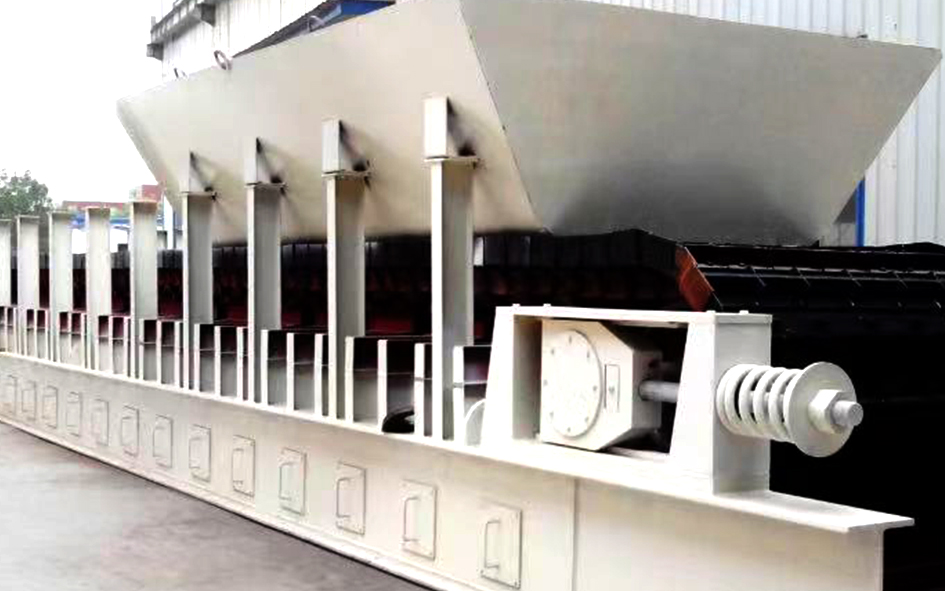
The nature of sandstone as a feed material presents unique challenges that make the heavy-duty plate feeder an ideal choice. Sandstone can vary widely in its properties. Some deposits are soft and friable, breaking down easily, while others are hard and highly abrasive, containing significant amounts of quartz, which is one of the hardest minerals. The material can be delivered to the processing plant in large blocks, sometimes weighing several tons, or it can be in the form of smaller, more uniform pieces. It may be dry and dusty or damp and sticky, depending on the quarry conditions and the weather. The heavy-duty plate feeder is designed to accommodate all these variations. Its robust construction and positive displacement action allow it to handle large lumps, resist abrasion, and force sticky material forward, making it a versatile and reliable solution for sandstone processing.
The fundamental operating principle of the plate feeder is straightforward. A heavy steel plate, positioned at the bottom of a storage hopper or bin, moves in a reciprocating motion. The plate advances forward slowly, carrying a layer of sandstone with it, and then returns quickly, slipping back beneath the material column. This differential motion creates a steady, controlled discharge of material from the front of the feeder. The feed rate is controlled by adjusting the stroke length of the reciprocating plate, allowing the operator to match the feeder's output to the capacity of the downstream crusher, screen, or conveyor. This ability to provide a uniform feed is essential for optimizing the performance of the entire processing system.
Design Features for Sandstone Applications
The design of a Heavy-Duty Plate Feeder For Sandstone applications is focused on durability, wear resistance, and the ability to handle the specific characteristics of the material. The primary structural component is the massive main frame, constructed from heavy steel plate and reinforced with substantial ribs and cross-members. This frame provides the rigidity necessary to support the weight of the sandstone column in the hopper and to withstand the impact forces of large lumps dropping onto the feeder pan. The frame is designed to remain stable under the most demanding conditions, ensuring accurate alignment of all moving parts.
The feeder pan is the most critical wear component. It is manufactured from thick, abrasion-resistant steel to withstand the constant sliding friction of the sandstone. In many designs, the pan is fitted with replaceable wear liners. These liners are typically made from high-chrome iron or a specialized manganese steel, both of which offer excellent resistance to abrasive wear. The liners are segmented and bolted to the pan, allowing for easy replacement when they become worn. This design significantly extends the service life of the base pan, reducing maintenance costs and downtime. The side edges of the pan are often raised to form skirts that prevent material from spilling over the sides. These skirts are also protected by wear liners.
The support system for the reciprocating pan is another key design element. The heavy pan must be able to slide smoothly while supporting a massive load of sandstone. This is achieved through a system of heavy-duty Rollers or slide bearings. In roller-type designs, the pan rides on a series of large rollers mounted on the frame. These rollers are equipped with robust, sealed bearings to prevent the ingress of abrasive dust and grit. In slide-bearing designs, the pan slides on stationary wear strips made from a low-friction, wear-resistant material. The choice between the two systems depends on the specific application; roller systems generally offer lower friction and are ideal for very heavy loads, while slide systems are simpler and more robust in extremely dirty conditions.
The drive mechanism for a sandstone plate feeder must deliver high torque and reliable operation under continuous heavy loads. The drive train typically consists of an electric motor, a heavy-duty reduction gearbox, and a robust crank mechanism. The motor is often a high-torque design that can start under load if necessary. The gearbox provides a substantial reduction ratio, converting the high-speed rotation of the motor into the low-speed, high-torque output required to move the loaded pan. The crank mechanism, which converts the rotary motion into the reciprocating motion of the plate, is constructed from massive steel components. The connecting rods are large steel forgings, and the bearings are oversized to handle the extreme forces involved.
Application Scenarios
The heavy-duty plate feeder is utilized in a variety of application scenarios within the sandstone processing industry. These applications range from primary crushing to final product load-out, each with its own specific requirements and challenges. In every case, the feeder's ability to provide a controlled and consistent feed is essential for maximizing efficiency and product quality.
Primary Crushing Circuit: The most demanding application for a plate feeder in sandstone processing is the primary crushing circuit. In this scenario, the feeder is installed at the bottom of a large receiving hopper. Run-of-quarry sandstone, which can include blocks weighing several tons, is dumped into the hopper by excavators or loaders. The plate feeder extracts the material from the hopper and feeds it at a controlled rate into the primary jaw or gyratory crusher. The feeder must be able to withstand the massive impact of these large blocks falling from the hopper. Its slow reciprocating action ensures that the crusher receives a steady, consistent feed, which is critical for maximizing crusher performance. An uneven feed can cause the crusher to choke or operate inefficiently, leading to increased wear and reduced throughput.
Feed to Secondary and Tertiary Crushers: After the primary crushing stage, the sandstone is further reduced in size by secondary and tertiary crushers, such as cone crushers or impact crushers. Plate feeders are also used at these stages, typically to extract material from surge bins or stockpiles. The material at this stage is smaller and more uniform than run-of-quarry stone, but it is still highly abrasive. The plate feeder provides the controlled feed necessary to keep the secondary and tertiary crushers operating at their optimal settings. A consistent feed ensures a consistent product size and minimizes wear on the crusher components.
Screening and Classification: After crushing, the sandstone is typically screened to separate it into various size fractions, such as coarse aggregate, fine aggregate, and manufactured sand. Plate feeders are used to feed the material to the screens. The feeder's ability to provide a uniform feed is particularly important in screening applications. An uneven feed to a screen can reduce its efficiency, causing some material to be misplaced and reducing the quality of the final products. The plate feeder ensures a steady, even layer of material across the screen deck, maximizing the screen's separation efficiency and throughput.
Washing and Beneficiation: In some processing plants, the sandstone is washed to remove clay, silt, and other impurities. This is particularly important for producing high-quality sand for concrete and asphalt. Plate feeders are used to feed the raw material to the washing equipment, such as log washers or scrubbers. The feeder must be able to handle material that may be wet and sticky, as the addition of water in the washing process can make the material cohesive. The positive displacement action of the plate feeder ensures that the material is forced forward, even when wet, maintaining a consistent feed to the washing equipment.
Load-Out and Shipping: Plate feeders are also used in the final stages of sandstone processing, in load-out operations. Once the sandstone has been processed into finished products, it is stored in stockpiles or in large storage bins. Plate feeders can be used to extract the finished products from these storage facilities and feed them onto conveyors for loading into trucks, rail cars, or barges for shipment to customers. In these applications, the feeder's controlled discharge is essential for ensuring accurate loading and preventing spillage and contamination.
Recycling and Waste Management: In addition to primary processing, plate feeders are also used in the recycling of concrete and asphalt, which often contain sandstone aggregates. These materials are crushed and processed to produce recycled aggregates for new construction. Plate feeders are used to feed the recyclable materials to crushers and screens, providing the same controlled feed benefits that are essential for primary processing.
Operating Instructions
The safe and efficient operation of a heavy-duty plate feeder in a sandstone processing plant requires a thorough understanding of the equipment and strict adherence to established procedures. The following guidelines outline the critical steps involved in daily operation, from pre-start checks to shutdown procedures.
Pre-Start Inspection and Preparation: Before the feeder is started, a detailed inspection is essential. The operator should begin by visually inspecting the entire machine. The feeder pan and its wear liners must be checked for signs of excessive wear, cracking, or damage. Any loose bolts should be identified and tightened. The side skirts and their liners should also be inspected. The condition of the drive components, including the motor, gearbox, and crank mechanism, should be assessed. The operator should look for any oil leaks, signs of overheating, or unusual wear patterns. The lubrication levels at all points must be checked, and any required grease fittings should be serviced. The hopper above the feeder must be inspected for any bridging or arching of material, which could prevent it from reaching the feeder. If a blockage is present, it must be cleared using the appropriate safe methods. All safety guards, emergency stop buttons, and interlocks must be verified to be in place and functioning correctly.
Start-Up Procedure: The start-up of the plate feeder is a sequential process designed to minimize stress on the equipment and ensure safety. The first step is to sound a warning alarm for a period of at least fifteen to thirty seconds to alert all personnel that the machine is about to start. After the alarm, the operator engages the drive motor. The feeder should be started with no material on the pan to allow the drive train to accelerate to full speed under minimal load. Once the feeder has reached its operating speed and is running smoothly, the material can be introduced. The operator opens the gate or valve at the bottom of the hopper to allow sandstone to flow onto the feeder pan. The feed rate is then set by adjusting the stroke length. The operator should increase the stroke gradually, observing the material discharge, until the desired feed rate is achieved and the downstream equipment is receiving a consistent supply.
Continuous Monitoring: During operation, the operator must maintain constant observation and attention. The flow of sandstone onto the feeder pan and off the discharge end must be consistent. Any signs of bridging in the hopper must be addressed immediately, as this can cause an interruption in the feed. The operator should listen for any unusual sounds, such as grinding, knocking, or excessive vibration. These can be early indicators of mechanical problems, such as a failing bearing or a loose component. The motor and gearbox temperatures should be monitored regularly. If the temperatures rise significantly, it may indicate overloading or a lubrication problem. The operator should also observe the condition of the wear liners. If the liners are wearing thin, they should be scheduled for replacement to prevent damage to the base pan. Any spillage around the feeder should be cleaned up promptly to maintain a safe working environment.
Shutdown Procedure: The shutdown of the plate feeder must be as controlled as the start-up. The first step is to close the gate or valve on the hopper to stop the flow of material onto the pan. The feeder should be allowed to continue running until the pan is completely empty of sandstone. This prevents material from packing on the pan, which can make restarting difficult and can cause a stall. Once the pan is empty, the operator stops the drive motor. The operator should then conduct a post-operation inspection. The feeder pan, wear liners, and drive components should be examined for any signs of damage or wear that may have occurred during the shift. The machine should be cleaned of any accumulated dust and debris. Lubrication points should be inspected and serviced as needed. This thorough shutdown routine is essential for ensuring the feeder's reliability and longevity.
Common Questions and Solutions
The operation of a heavy-duty plate feeder in a sandstone environment is subject to a range of practical issues. Understanding the causes and solutions to these common problems is crucial for minimizing downtime and maintaining production efficiency.
Why is the feed rate inconsistent, even with a fixed stroke setting? Inconsistent feed is a common complaint. A primary cause is material flow problems in the hopper. If the sandstone is segregating, with the fines and coarse particles separating, the density of the material on the feeder can vary, causing fluctuations in the feed rate. This can be addressed by ensuring the hopper is designed for mass flow and by maintaining a sufficient material level in the hopper to prevent segregation. Another cause is wear on the feeder pan. As the pan wears, the effective stroke length can change, altering the feed rate. Regular inspection and replacement of wear liners will prevent this problem. Finally, a slipping drive belt or a faulty motor can cause speed fluctuations, leading to an inconsistent feed. These mechanical issues should be addressed promptly.
What causes the feeder to jam or stall? A jam or stall is a serious issue. It is often caused by a blockage in the hopper that causes a sudden surge of material onto the pan, overloading the drive. If the material is wet and sticky, it can build up on the pan and lock the plate. The operator should stop the feeder immediately and clear the blockage. This may involve manually removing the material. To prevent future jams, the hopper should be checked for bridging, and the stroke length may need to be reduced to lower the feed rate. In some cases, the drive motor protection devices may need to be checked to ensure they are properly set.
How can I reduce wear on the feeder pan and liners? Wear is an inevitable consequence of handling abrasive sandstone, but it can be managed. The most effective method is to use the highest quality wear liners available for the application. High-chrome iron liners provide excellent abrasion resistance. The feeder speed should also be optimized. A lower speed reduces the sliding velocity of the material, decreasing the wear rate. The stroke length should be set to the minimum required to achieve the desired feed rate, as a longer stroke increases the distance the material is dragged across the pan, increasing wear. Regular inspection and timely replacement of worn liners is also essential to prevent the base pan from being damaged.
What should I do if the feeder is making excessive noise or vibrating? Excessive noise or vibration is a sign of a mechanical problem. The most common cause is a loose component. The operator should check all bolts and fasteners on the drive mechanism and the pan. A worn bearing in the gearbox or on the support rollers will often produce a grinding or whining noise. A broken or loose wear liner can also cause vibration. The feeder should be stopped immediately and inspected. Continuing to operate a machine with excessive noise or vibration can lead to catastrophic failure.
How often should the wear liners be replaced? The replacement interval for wear liners depends on the abrasiveness of the sandstone and the operating conditions. It is not determined by time but by the actual wear of the liners. The operator must inspect the liners regularly and measure their thickness. When the liners have worn down to a certain point, typically when they are about one-third of their original thickness, they should be replaced. Continuing to operate with worn liners will expose the base pan to abrasion, which is much more expensive and time-consuming to repair. The feeder's performance should also be monitored; if the feed rate decreases, it may indicate that the liners are worn and the pan is not carrying as much material.
In conclusion, the heavy-duty plate feeder is an indispensable machine in the sandstone processing industry. Its ability to handle large, abrasive lumps and provide a controlled, consistent feed makes it a vital component in primary crushing circuits and many downstream operations. By understanding the feeder's design, its various applications, the correct operating procedures, and the solutions to common problems, plant operators and maintenance personnel can ensure that this robust equipment delivers reliable service and contributes to the overall efficiency and profitability of the sandstone processing operation. The feeder's simple, rugged design ensures that it will remain a trusted tool for decades to come.
This website uses cookies to ensure you get the best experience on our website.
 Español
 Pусский
 العربية
 Tiếng Việt



 WhatsApp
 Phone: